What is Comprehensive Car Insurance in Florida and Do You Really Need It?
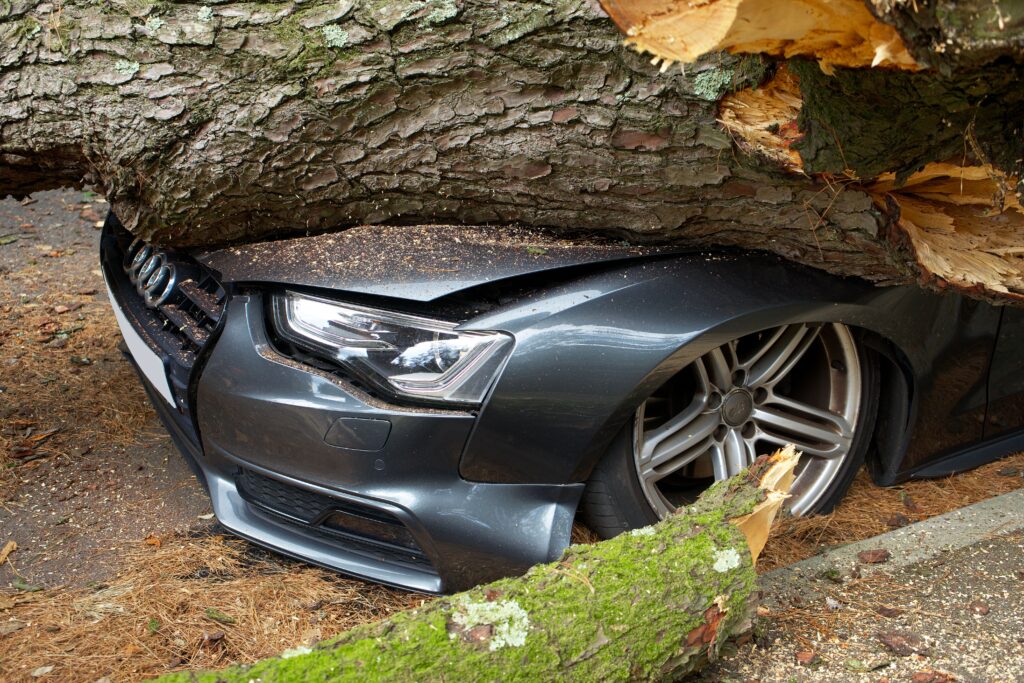
Picture this. You wake up on a beautiful Tuesday morning in Orlando, grab your coffee, and head out to your car — only to find a massive oak tree branch sitting right on top of your hood. No accident. No other driver involved. Just you, your car, and a very unfortunate tree.
Or imagine this: you’re visiting family in Jacksonville over the summer and a category 1 hurricane rolls through overnight. You wake up to find your car flooded with six inches of water inside. Or stolen entirely during the chaos.
Here’s the question that matters in both of those moments: are you covered?
The answer depends entirely on whether you have comprehensive car insurance on your Florida policy. And I think this is one of the most misunderstood types of coverage among Florida drivers — which is a real problem given that we live in one of the most weather-eventful, storm-prone, wildlife-heavy states in the entire country.
Let me break it all down for you clearly.
What Exactly Is Comprehensive Car Insurance?
Comprehensive coverage is the part of your auto insurance policy that covers damage to your vehicle from causes other than a collision with another car or object.
Think of it as the “everything else” coverage. If something happens to your car that doesn’t involve you driving into something — comprehensive is what steps in.
Here’s what comprehensive coverage typically covers in Florida:
- Hurricane and tropical storm damage
- Flooding and water damage
- Hail damage
- Fallen trees or branches
- Fire
- Theft
- Vandalism
- Animal collisions (hitting a deer, for example)
- Tornados and other severe weather events
- Falling objects like debris or satellites
I think the best way to remember it is this: if the damage happened while your car was just sitting there minding its own business — comprehensive coverage is probably what applies.
What Comprehensive Coverage Does NOT Cover
Just as important as knowing what comprehensive covers is understanding what it doesn’t cover.
Comprehensive does NOT pay for:
- Damage from colliding with another vehicle — that’s collision coverage
- Damage from hitting a guardrail, pole, or other object — also collision
- Medical bills after an accident — that’s PIP in Florida
- Damage to another person’s vehicle — that’s liability coverage
- Mechanical breakdown or normal wear and tear
- Personal belongings stolen from inside your car — that’s typically homeowners or renters insurance
This is a distinction that trips up a lot of Florida drivers. If you back into a pole in a Publix parking lot — comprehensive doesn’t help you. That’s a collision claim. But if someone breaks your window and steals your stereo — comprehensive covers the window damage while your homeowners policy may cover the stolen stereo.
Why Comprehensive Coverage Matters More in Florida Than Almost Anywhere Else
I want to be direct with you here — if you live in Florida and you don’t have comprehensive coverage, I think you’re taking a significant risk. And here’s why.
Florida’s Hurricane Season Is Real and It’s Long
Florida’s hurricane season officially runs from June 1st through November 30th. That’s six full months of elevated storm risk every single year. Hurricanes and tropical storms can flood vehicles, send debris flying through windshields, and knock trees onto cars parked in driveways.
I’ve noticed that after every major Florida storm, there’s always a wave of drivers discovering too late that they didn’t have comprehensive coverage. Don’t be one of them.
Florida Floods — A Lot
Even outside of hurricane season, Florida is one of the flattest and lowest-lying states in the country. Heavy afternoon thunderstorms — which are practically a daily occurrence in summer — can cause flash flooding that fills underpasses and parking lots with surprising speed.
Flood damage to vehicles is specifically covered under comprehensive insurance. Without it, a flooded car is entirely your financial problem.
Florida Has One of the Highest Vehicle Theft Rates in the Country
Florida consistently ranks among the top states for vehicle theft. Cities like Miami, Orlando, and Tampa see thousands of stolen vehicles every year. If your car is stolen and you don’t have comprehensive coverage — your insurer won’t pay you a cent toward a replacement.
Wildlife on Florida Roads
Florida is home to deer, wild boars, alligators, and all manner of wildlife that occasionally wanders onto roadways. When you hit an animal — which is classified as a comprehensive claim, not a collision claim — comprehensive coverage is what protects you.
How Much Does Comprehensive Coverage Cost in Florida?
Here’s the part that surprises most Florida drivers I talk to — comprehensive coverage is actually one of the more affordable parts of a full coverage policy.
On average, Florida drivers pay somewhere between $150 and $400 per year for comprehensive coverage — that works out to roughly $12 to $33 per month. When you consider what it protects against, that’s genuinely reasonable.
Your specific comprehensive premium in Florida depends on:
| Factor | How It Affects Your Premium |
|---|---|
| Your vehicle’s value | Higher value = higher premium |
| Your deductible amount | Higher deductible = lower premium |
| Your ZIP code | Coastal areas typically cost more |
| Your claims history | More past claims = higher premium |
| Your credit score | Better credit = lower premium |
| Vehicle age | Older cars cost less to insure comprehensively |
Understanding Your Deductible With Comprehensive Coverage
When you add comprehensive coverage to your Florida policy, you’ll choose a deductible — the amount you pay out of pocket before your insurance kicks in for a claim.
Common comprehensive deductible options in Florida are $250, $500, $1,000, and $2,500.
Here’s how to think about choosing the right deductible:
Lower deductible ($250-$500): You pay less out of pocket when you file a claim, but your monthly premium is higher. Good choice if you live in a high-risk area for storms or theft.
Higher deductible ($1,000-$2,500): Your monthly premium is lower, but you pay more out of pocket when something happens. Makes sense if your vehicle is older and not worth a huge amount, or if you have savings set aside for emergencies.
I generally suggest that Florida drivers in coastal areas or hurricane-prone zones lean toward a lower deductible for comprehensive — the storm risk here is simply too real to gamble on high out-of-pocket costs.
Is Comprehensive Coverage Required in Florida?
Florida law does not require comprehensive coverage. The state only mandates PIP and property damage liability as minimums.
However — if you are financing or leasing your vehicle, your lender almost certainly requires you to carry both comprehensive and collision coverage until the loan is paid off. This protects their financial interest in the vehicle.
Once your car is paid off, the choice is yours. And that’s where I think many Florida drivers make a mistake — they drop comprehensive the moment they own the car outright, not realizing how much weather and theft risk they’re now carrying personally.
Should YOU Get Comprehensive Coverage in Florida?
Here’s my honest take — ask yourself these questions:
Could you afford to replace your car out of pocket if it were stolen or totaled by a hurricane? If the answer is no, you need comprehensive coverage.
Is your car worth more than $4,000-$5,000? If yes, comprehensive coverage is almost certainly worth the cost. If your car is very old and worth very little, the math might not work in favor of comprehensive — but even then, theft and hurricane risk in Florida make it worth considering.
Do you live near the Florida coast or in a flood-prone area? If yes, comprehensive coverage is even more important for you than for the average driver.
Do you park outside overnight rather than in a garage? Vehicles parked outdoors are significantly more exposed to weather damage, falling debris, and theft. Comprehensive coverage becomes more valuable the more exposed your vehicle is.
If you want to explore comprehensive coverage options and compare Florida insurance quotes that include it, this is a great place to start: [AFFILIATE LINK]
Frequently Asked Questions
Does comprehensive insurance cover hurricane damage in Florida?
Yes. Hurricane damage — including wind damage, flooding from storm surge, and debris impacts — is covered under comprehensive insurance in Florida. This is one of the most important reasons Florida drivers should seriously consider comprehensive coverage.
Does comprehensive cover flooding in Florida?
Yes. Flood damage to your vehicle is covered under comprehensive insurance. Given Florida’s flat terrain and heavy rainfall, this is a significant benefit for Florida drivers.
Is comprehensive the same as full coverage in Florida?
Not exactly. “Full coverage” is an informal term that typically refers to a combination of liability, PIP, collision, AND comprehensive coverage. Comprehensive alone is just one component of what people call full coverage.
Does comprehensive coverage cover a cracked windshield in Florida?
Yes — and Florida actually has a unique law here. Florida requires insurers to offer a zero-deductible option specifically for windshield replacement under comprehensive coverage. This means many Florida drivers can get their windshield replaced completely free of charge through their comprehensive policy.
What happens if my car is stolen in Florida and I don’t have comprehensive?
Without comprehensive coverage, your insurer will not pay anything toward replacing your stolen vehicle. You would be entirely responsible for finding and funding your own replacement transportation.
Does comprehensive cover rental cars in Florida?
Your comprehensive coverage typically extends to rental cars you’re driving for personal use in Florida — as long as you carry it on your personal policy. Always confirm with your insurer before renting.
How is comprehensive different from collision coverage?
Comprehensive covers damage from non-collision events — weather, theft, animals, falling objects. Collision covers damage from your vehicle hitting another vehicle or object. In Florida, both are typically recommended for complete protection.
Florida is genuinely one of the most beautiful places in the world to live and drive. But it’s also one of the riskiest states for your vehicle — between hurricane season, daily thunderstorms, flooding, wildlife, and high theft rates, the case for comprehensive coverage here is stronger than almost anywhere else in the country.
Take a few minutes today to check whether comprehensive coverage is on your current Florida policy. If it’s not — and especially if you couldn’t comfortably replace your vehicle out of pocket — I’d strongly encourage you to add it at your next renewal or even sooner.
Your car deserves protection that matches the Florida reality.
Visit EverQuote.com to compare Florida car insurance quotes.
Disclosure: This article contains affiliate links. We may earn a commission if you click and purchase through our links at no extra cost to you.