What is Collision Insurance in Florida and Do You Really Need It?
Picture this. It’s a busy Friday afternoon on I-4 in Orlando. Traffic is moving, you’re almost home, and suddenly the car in front of you brakes hard. You react — but not quite fast enough. Your front bumper meets their rear bumper with a sickening crunch.
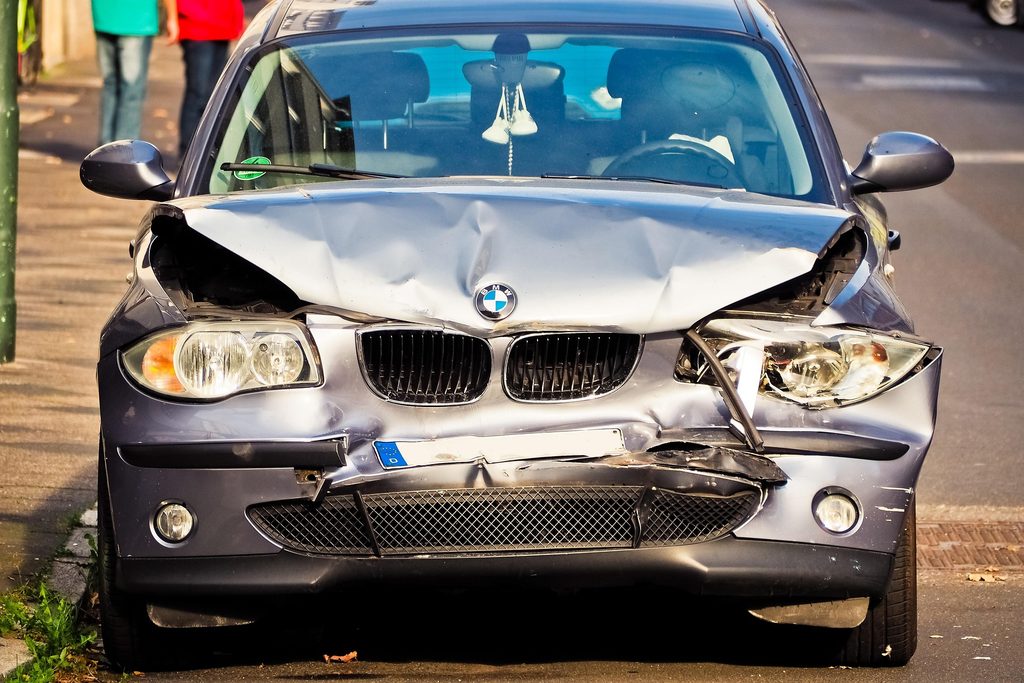
Nobody is seriously hurt. But your car? The hood is crumpled, the airbags deployed, and the repair estimate from the body shop comes back at $8,500.
Now here’s the question that will determine whether this accident costs you $500 or $8,500: do you have collision insurance?
If you do — you pay your deductible and your insurer handles the rest. If you don’t — that entire repair bill lands squarely on your shoulders. Every penny of it.
I think collision insurance is one of the most misunderstood parts of Florida auto coverage. Drivers either assume they have it when they don’t, or they drop it to save money without fully understanding what they’re giving up. Let me clear everything up for you today.
What Exactly Is Collision Insurance?
Collision insurance covers damage to your own vehicle when it collides with another vehicle or object — regardless of who was at fault.
That last part is important. Regardless of fault.
Even if the accident was entirely the other driver’s fault, collision insurance on your own policy means you don’t have to wait for fault to be determined, fight with the other driver’s insurer, or chase anyone for payment. You file a claim with your own insurer, pay your deductible, and get your car repaired. Fast and simple.
Collision coverage applies in situations like:
- Rear-ending another vehicle
- Being rear-ended by another driver
- Side-impact collisions at intersections
- Single-car accidents like hitting a guardrail, pole, or curb
- Rollover accidents
- Accidents in parking lots
What Collision Insurance Does NOT Cover
Just as important as knowing what collision covers is understanding its limits.
Collision does NOT cover:
- Weather damage like hail, flooding, or hurricane damage — that’s comprehensive
- Theft or vandalism — also comprehensive
- Medical bills for you or your passengers — that’s PIP in Florida
- Damage you cause to another person’s vehicle — that’s your property damage liability
- Mechanical breakdown or normal wear and tear
- Personal belongings inside the vehicle
I noticed that Florida drivers sometimes confuse collision and comprehensive coverage. The simplest way to remember the difference: collision is for when your car hits something. Comprehensive is for everything else.
Why Collision Coverage Matters Especially in Florida
Florida’s roads are genuinely challenging. And I think the statistics tell a story every Florida driver should pay attention to.
Florida consistently ranks among the top states in the country for car accidents. The combination of heavy tourist traffic, distracted driving, aggressive commuters, and roads packed with drivers unfamiliar with local conditions creates an environment where collisions happen constantly.
Here are some Florida-specific realities that make collision coverage particularly valuable:
Florida’s Minimum Coverage Doesn’t Help Your Car
Florida only requires PIP and property damage liability. Neither of these pays for damage to your own vehicle in a collision. Without collision coverage, your car repairs come entirely out of your pocket — even if the accident wasn’t your fault.
Florida Has a High Rate of Uninsured Drivers
Roughly 1 in 4 Florida drivers has no insurance. If an uninsured driver causes an accident that damages your vehicle, their nonexistent insurance obviously can’t pay for your repairs. Unless you have collision coverage — or uninsured motorist property damage coverage — you’re left holding the bill.
Florida Traffic Is Intense Year-Round
Unlike states that have quieter winter months, Florida stays busy all year. Snowbirds arrive in winter, tourists flood in during spring break and summer, and major events bring thousands of extra cars onto already congested roads. More traffic means more collision risk — full stop.
How Much Does Collision Coverage Cost in Florida?
Collision is typically the most expensive optional coverage you can add to a Florida auto policy — but it’s still more affordable than most drivers expect.
Florida drivers generally pay between $300 and $900 per year for collision coverage depending on several factors:
| Factor | How It Affects Your Collision Premium |
|---|---|
| Your vehicle’s value | Higher value = higher premium |
| Your deductible | Higher deductible = lower premium |
| Your driving record | Clean record = lower premium |
| Your age and experience | More experience = lower premium |
| Your ZIP code | Urban areas = higher premium |
| Your credit score | Better credit = lower premium |
The most powerful lever you have for controlling your collision premium is your deductible. Choosing a $1,000 deductible instead of a $500 deductible can reduce your collision premium by 15% to 30% — a meaningful saving if you’re a careful driver.
Collision vs Comprehensive — Understanding the Difference
Since these two coverages are often bundled together as “full coverage,” I want to make sure the distinction is crystal clear.
| Situation | Collision | Comprehensive |
|---|---|---|
| You hit another car | ✅ Covered | ❌ Not covered |
| Another car hits you | ✅ Covered | ❌ Not covered |
| You hit a guardrail | ✅ Covered | ❌ Not covered |
| Hurricane damages your car | ❌ Not covered | ✅ Covered |
| Your car is stolen | ❌ Not covered | ✅ Covered |
| A tree falls on your car | ❌ Not covered | ✅ Covered |
| You hit a deer | ❌ Not covered | ✅ Covered |
| Hail damages your roof | ❌ Not covered | ✅ Covered |
In Florida, I think most drivers benefit from carrying both collision AND comprehensive — the state’s combination of heavy traffic and severe weather means you’re exposed to risks that both coverages address.
Is Collision Insurance Required in Florida?
Florida law does not require collision insurance. The state only mandates PIP and property damage liability as minimums.
However — if you are financing or leasing your vehicle, your lender almost certainly requires you to carry both collision and comprehensive coverage until the loan is fully paid off. This protects the lender’s financial interest in the vehicle.
Once your car is paid off, the decision is entirely yours. And this is where I see many Florida drivers make a mistake — they drop collision the moment they own the car outright, without thinking carefully about whether they could genuinely afford to repair or replace the vehicle out of pocket.
Should YOU Have Collision Coverage in Florida?
Here’s my honest framework for thinking about this decision:
You should strongly consider keeping collision coverage if:
- Your vehicle is worth more than $5,000
- You couldn’t comfortably pay for major repairs or a replacement vehicle out of pocket
- You drive frequently on busy Florida roads or highways
- You live in a high-traffic area like Miami, Orlando, or Tampa
- Your vehicle is financed or leased
You might consider dropping collision if:
- Your vehicle is old and worth less than $3,000 to $4,000
- Your annual collision premium plus deductible approaches or exceeds your car’s value
- You have significant savings set aside that could cover repair or replacement costs
- You drive very infrequently and park in a secure location
The math test I always suggest: add your annual collision premium to your deductible. If that total is close to what your car is worth — collision coverage may not be the best use of your money on that particular vehicle.
If you want to compare Florida insurance quotes that include collision coverage at competitive rates: [AFFILIATE LINK]
What Happens When You File a Collision Claim in Florida?
Understanding the claims process before you need it is genuinely valuable. Here’s what typically happens:
Step 1: Report the accident to your insurer as soon as possible — ideally the same day.
Step 2: Your insurer assigns a claims adjuster who will assess the damage — either in person or through photos you submit.
Step 3: You receive a repair estimate. You generally have the right to choose your own repair shop in Florida.
Step 4: You pay your deductible to the repair shop. Your insurer pays the remainder directly to the shop or reimburses you.
Step 5: If your car is declared a total loss, your insurer pays you the actual cash value of the vehicle minus your deductible.
One important thing I want to mention — for minor damage where the repair cost is close to your deductible amount, it’s often smarter to pay out of pocket rather than filing a collision claim. Filing a claim goes on your insurance record and can raise your premium at renewal. If the math doesn’t strongly favor filing, consider handling small repairs yourself.
Frequently Asked Questions
Does collision insurance cover a hit and run in Florida?
Yes — if someone hits your parked car and drives away without leaving insurance information, collision coverage pays for your repairs (minus your deductible). This is one of the most valuable aspects of collision coverage given Florida’s busy roads and parking lots.
Does collision cover me if I was at fault in Florida?
Yes. Collision coverage pays for damage to your vehicle regardless of fault. That’s one of its biggest advantages — you don’t have to prove the other driver was responsible to get your car repaired.
Will my collision insurance rates go up after I file a claim in Florida?
An at-fault collision claim typically results in a premium increase at your next renewal. The increase varies by insurer but can range from 20% to 50%. Not-at-fault claims may also affect your rate with some Florida insurers, though usually less significantly.
Is collision the same as full coverage in Florida?
No. “Full coverage” is an informal term that typically refers to liability, PIP, collision, AND comprehensive combined. Collision alone is just one piece of what people call full coverage.
How long does a collision claim affect my Florida insurance rates?
At-fault accidents typically affect your Florida insurance premium for three to five years. After that period the surcharge generally disappears from your rate calculation.
Does collision cover damage to the other car?
No. Collision coverage only pays for damage to your own vehicle. Damage you cause to another person’s vehicle is covered by your property damage liability insurance.
What is a collision deductible and how do I choose one in Florida?
Your collision deductible is the amount you pay out of pocket before your insurer covers the rest of a claim. Common options are $250, $500, $1,000, and $2,500. A higher deductible lowers your monthly premium but means more out of pocket when you file a claim. For most Florida drivers $500 is a reasonable middle ground.
Florida’s roads are beautiful but they’re also genuinely unpredictable. Between the tourist traffic, the aggressive commuters, the distracted drivers, and the sheer volume of vehicles on roads like I-95, I-4, and the Turnpike — the question for most Florida drivers isn’t really IF they’ll ever be in a collision. It’s when.
Collision insurance makes sure that when that moment comes, it’s a stressful inconvenience rather than a financial disaster.
Review your current Florida policy today. Know what you have — and make sure it actually matches the reality of the roads you drive every day.
Visit EverQuote.com to compare Florida car insurance quotes.
Disclosure: This article contains affiliate links. We may earn a commission if you click and purchase through our links at no extra cost to you.