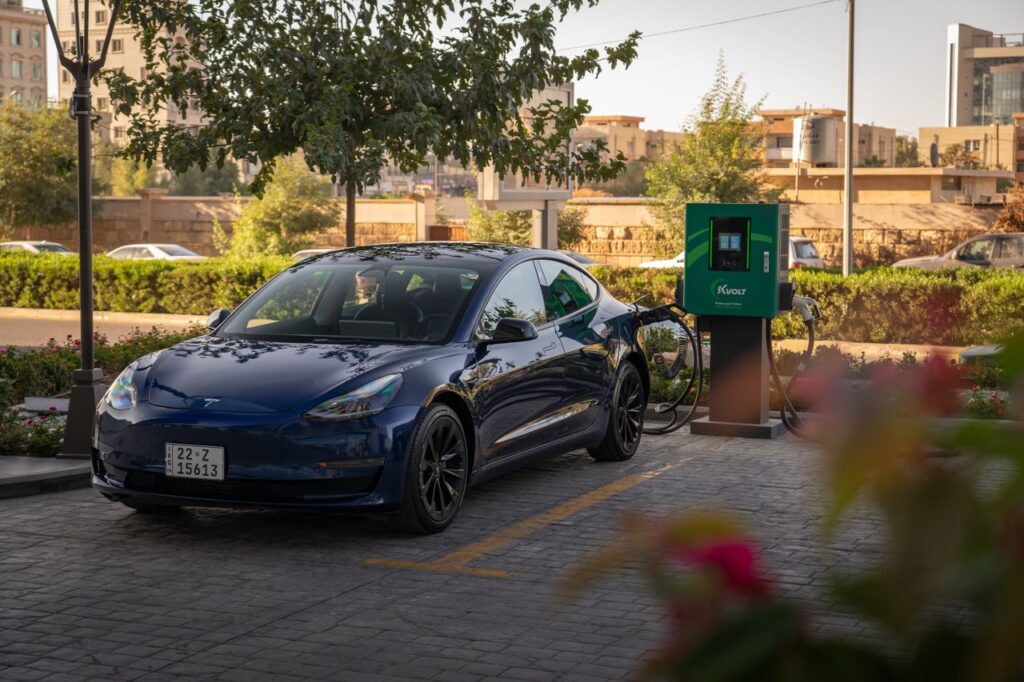
Florida Car Insurance for Electric Vehicles: What EV Owners Need to Know
Here is something I’ve noticed that surprises a lot of Florida drivers who are considering making the switch to an electric vehicle. The car insurance landscape for electric vehicles is genuinely different from insuring a traditional gas-powered car, and understanding those differences before you buy can save you from some unexpected costs and coverage gaps down the road.
Florida has become one of the fastest-growing markets for electric vehicles in the United States. With its year-round driving weather, expanding charging infrastructure, and a population that tends to embrace new technology, Florida is home to one of the largest concentrations of EV owners in the country. But the insurance considerations for these vehicles are more nuanced than most buyers realize when they’re focused on the excitement of their new purchase.
Why Electric Vehicles Cost More to Insure in Florida
The honest truth is that electric vehicles generally cost more to insure than comparable gasoline-powered vehicles, and understanding why helps you plan for this reality before it shows up as a surprise on your first insurance bill.
The purchase price of electric vehicles is the most direct factor. Insurance companies base collision and comprehensive premiums partly on the cost to replace your vehicle. Since EVs typically cost significantly more than comparable gasoline vehicles — often $10,000 to $20,000 more — the baseline for what your insurer would need to pay in a total loss situation is higher, which translates directly into higher premiums.
Repair costs for electric vehicles are genuinely higher than for traditional vehicles in most cases. EVs have specialized components — high-voltage battery systems, electric motors, regenerative braking systems, and sophisticated electronics — that require technicians with specific training and certification to work on safely. Not every Florida repair shop can work on electric vehicles, and those that can typically charge more for their specialized expertise. This higher repair cost is reflected in your collision coverage premium.
Battery replacement is the biggest wild card in EV insurance costs. The battery pack in an electric vehicle is typically the most expensive single component, often representing 30 to 50 percent of the vehicle’s total value. If your battery is damaged in an accident or needs replacement due to covered damage, the cost can run from $5,000 to $20,000 or more depending on the vehicle. This potential exposure significantly affects how insurers price EV policies.
Parts availability can be more limited for electric vehicles, particularly newer models, which can extend repair times and increase costs. Some EV manufacturers have proprietary parts and repair processes that further limit competition among repair facilities, which keeps costs elevated.
What Florida EV Owners Should Know About Coverage
Most standard car insurance coverages apply to electric vehicles just as they do to gasoline vehicles, but there are some EV-specific coverage considerations worth understanding clearly.
Standard liability coverage, personal injury protection, uninsured motorist coverage, and comprehensive and collision coverage all apply to electric vehicles in exactly the same way they apply to any other vehicle. Florida’s minimum requirements — $10,000 PIP and $10,000 PDL — apply regardless of whether your vehicle is electric or gasoline-powered.
Battery coverage is an area where policies can vary and where EV owners should pay careful attention. Most standard comprehensive policies cover battery damage caused by accidents, weather events, fire, and theft. However, battery degradation over time — which is a normal characteristic of all battery systems — is not covered by insurance as it is considered normal wear and tear rather than a sudden loss. Make sure you understand exactly what your policy says about battery coverage before you have a claim.
Charging equipment coverage is something many Florida EV owners don’t think about until they install a home charging station and wonder if it’s covered. Your homeowners or renters insurance typically covers home charging equipment installed as a permanent fixture of your home, but a portable charging cable may be covered under your auto insurance’s comprehensive coverage if it’s stored in your vehicle. Clarify this with both your auto and home insurers to make sure there are no gaps.
Roadside assistance takes on additional importance for EV owners. Running out of charge is the electric vehicle equivalent of running out of gas, but with important differences. You can’t simply call someone to bring you a gallon of electricity. EV-specific roadside assistance programs can arrange a tow to the nearest charging station or, for some vehicles, dispatch a mobile charging unit. Standard roadside assistance may not have these capabilities. Make sure your roadside assistance coverage specifically addresses EV needs.
Best Insurance Companies for Electric Vehicles in Florida
Not all insurance companies price electric vehicles the same way, and some have made more significant investments in understanding and serving the EV market than others.
Tesla owners have a unique option in Tesla Insurance, which the company offers directly in Florida. Tesla Insurance uses real-time driving behavior data from your vehicle to price your policy, and because Tesla has direct access to detailed vehicle data and their own repair network, they can sometimes offer more competitive pricing than traditional insurers for their vehicles. It’s worth getting a Tesla Insurance quote alongside traditional insurer quotes if you own a Tesla.
Progressive has been proactive in developing competitive pricing for electric vehicles and is worth considering for any EV owner in Florida. Their usage-based Snapshot program works particularly well for EV owners who tend to drive carefully and have predictable driving patterns.
State Farm offers competitive EV pricing in Florida and has invested in training claims adjusters and working with EV-qualified repair facilities. Their bundling discounts can be particularly valuable for EV owners who also have homeowners insurance.
Geico offers EV coverage in Florida and their rates are worth comparing, particularly for non-Tesla electric vehicles where the specialized Tesla Insurance option isn’t available.
Several specialty EV-focused insurance products have emerged as the market has grown. It’s worth asking your insurance agent specifically about EV-specialized policies or endorsements that might be available in addition to standard market options.
| Insurer | EV Experience | Special Features | Florida Available |
|---|---|---|---|
| Tesla Insurance | ✅ Excellent | Real-time data pricing | ✅ Yes (Tesla only) |
| Progressive | ✅ Good | Snapshot program | ✅ Yes |
| State Farm | ✅ Good | Bundling discounts | ✅ Yes |
| Geico | ✅ Good | Competitive rates | ✅ Yes |
| Allstate | Moderate | Drivewise program | ✅ Yes |
Florida-Specific Considerations for EV Owners
Florida’s unique environment creates some specific insurance and ownership considerations for electric vehicle owners that are worth thinking through carefully.
Hurricane season is the most significant Florida-specific concern for EV owners. Flooding is particularly damaging to electric vehicles because saltwater intrusion into a high-voltage battery system can cause irreversible damage and creates serious safety risks. A flooded EV battery can continue to pose fire and electrocution risks even after the flood waters recede, which complicates both the safety response and the insurance claim process.
If you park your EV in a flood-prone area during hurricane season, understanding your comprehensive coverage and how your insurer handles flood-damaged EVs is genuinely important. The claim process for a flood-damaged EV is more complex than for a traditional vehicle because of battery safety concerns and the specialized assessment required.
Florida’s heat is a genuine concern for EV battery longevity. Extreme heat accelerates battery degradation over time, and while this is a maintenance concern rather than an insurance concern, it does affect the long-term value of your vehicle, which in turn affects the adequacy of your coverage limits over time.
Florida’s growing charging network is generally positive news for EV owners. The more charging infrastructure exists, the lower the risk of being stranded with a depleted battery, which reduces one of the practical concerns of EV ownership. Major Florida highways and urban areas have good charging coverage, though rural areas of the state are less well-served.
Tax Credits and Incentives That Affect EV Value and Insurance
Understanding the tax credits and incentives associated with electric vehicle purchases is relevant to insurance because these factors affect the true cost basis of your vehicle, which should inform your coverage decisions.
Federal tax credits of up to $7,500 are available for qualifying new electric vehicle purchases under current US tax law. Florida does not currently offer a state-level EV tax credit, though this policy landscape continues to evolve. These credits reduce your effective purchase price, which some EV owners factor into their coverage decisions.
The important insurance consideration here is that tax credits reduce what you paid for the vehicle but they do not reduce what your insurer would need to pay to replace it. Your agreed value or actual cash value coverage should be based on the vehicle’s market value, not your net purchase price after credits.
Gap insurance is worth serious consideration for EV buyers who finance their purchase. The combination of a higher purchase price, rapid initial depreciation, and the large battery replacement cost creates a situation where you could easily owe more on your EV loan than the vehicle is worth if it’s totaled in the first few years of ownership. Gap insurance covers this difference and is particularly valuable for EV buyers.
How to Save Money on EV Insurance in Florida
Despite the generally higher baseline costs for insuring electric vehicles, there are genuine strategies for managing those costs effectively.
Shopping aggressively is more important for EV insurance than for standard vehicles because the pricing variation between insurers is larger. Some companies have made significant investments in EV underwriting expertise and price these vehicles more competitively as a result. Others haven’t kept pace with the market and may be pricing EV policies less efficiently. Getting quotes from at least five companies — including Tesla Insurance if you own a Tesla — is essential.
Usage-based insurance programs work particularly well for many EV owners. EV drivers tend to be more deliberate about their driving habits — both because of the different driving dynamics of electric vehicles and because of the awareness around energy efficiency that often comes with EV ownership. These careful driving habits translate well into favorable results from usage-based insurance programs.
Bundling your auto and homeowners insurance with the same company can produce meaningful discounts that help offset the higher base premium for EV coverage. Given that many EV owners also install home charging equipment that may be covered under their homeowners policy, having both policies with the same insurer can also simplify coverage coordination.
Maintaining a clean driving record is as important for EV owners as for any Florida driver. The higher base premium for an EV means that the dollar impact of a rate increase from a violation or accident is proportionally larger. A 30 percent increase on a $2,400 annual premium is $720 per year. A 30 percent increase on a $3,600 EV premium is $1,080 per year.
Frequently Asked Questions About Florida EV Insurance
Q: Is electric vehicle insurance more expensive than regular car insurance in Florida?
Generally yes. Electric vehicles typically cost 10 to 25 percent more to insure than comparable gasoline vehicles in Florida, primarily because of their higher purchase price, higher repair costs, and the significant cost of battery replacement if damaged. The exact difference depends on the specific vehicle, your driving profile, and the insurance company.
Q: Does car insurance cover EV battery damage in Florida?
Comprehensive coverage typically covers battery damage caused by covered events like accidents, weather, fire, and theft. Normal battery degradation over time is not covered as it is considered wear and tear. Check your specific policy language regarding battery coverage before purchasing.
Q: Should I get gap insurance for my electric vehicle in Florida?
Gap insurance is worth serious consideration for financed EV purchases. The combination of higher purchase prices, rapid initial depreciation, and significant battery value creates meaningful gap exposure in the early years of EV ownership. If you financed a significant portion of your EV’s purchase price, gap insurance provides important protection.
Q: Is my home EV charger covered by car insurance or homeowners insurance?
A permanently installed home charging station is typically covered under your homeowners insurance as a home improvement. A portable charging cable stored in your vehicle may be covered under your auto comprehensive coverage. Clarify this with both insurers to ensure no coverage gaps exist.
Q: Does Tesla Insurance work in Florida?
Yes. Tesla Insurance is available in Florida for Tesla vehicle owners. It uses real-time driving behavior data from your vehicle to price coverage and is worth comparing against traditional insurer quotes if you own a Tesla.
Conclusion
Electric vehicle ownership in Florida comes with genuine insurance considerations that are different from insuring a traditional gasoline vehicle. Higher premiums, specialized battery coverage questions, and Florida-specific concerns around flooding and heat all deserve careful attention from EV owners.
The most important steps for Florida EV owners are shopping aggressively with multiple insurers including any manufacturer-provided insurance options, understanding exactly what your policy says about battery coverage, considering gap insurance if you financed your purchase, and making sure your roadside assistance coverage addresses EV-specific needs.
As the EV market continues to grow and more insurers develop expertise in this space, pricing and coverage options will continue to evolve. Reviewing your EV coverage at every renewal and staying informed about new options in the market will help you make sure you always have the right protection at the best available price.
Visit EverQuote.com to compare Florida car insurance quotes for electric vehicles and find the most competitive coverage available for your specific EV today.
Disclosure: This article contains affiliate links. We may earn a commission if you click and purchase through our links at no extra cost to you.