
Florida Car Insurance and School Zones: What Every Driver Needs to Know About Enhanced Penalties and Coverage
There is a stretch of road near virtually every Florida school that transforms twice a day. The speed limit drops. Crossing guards appear. Children in backpacks fill the sidewalks. And the legal and insurance landscape for drivers passing through shifts in ways that many Florida drivers have never fully considered.
School zones in Florida are legally designated high-risk areas with enhanced penalties for violations — and the accidents that occur in them carry insurance and legal consequences that reflect the heightened duty of care drivers owe to children. Understanding exactly what these enhanced obligations mean for your insurance and your liability is practical knowledge every Florida driver should have.
What Makes School Zones Legally Different in Florida
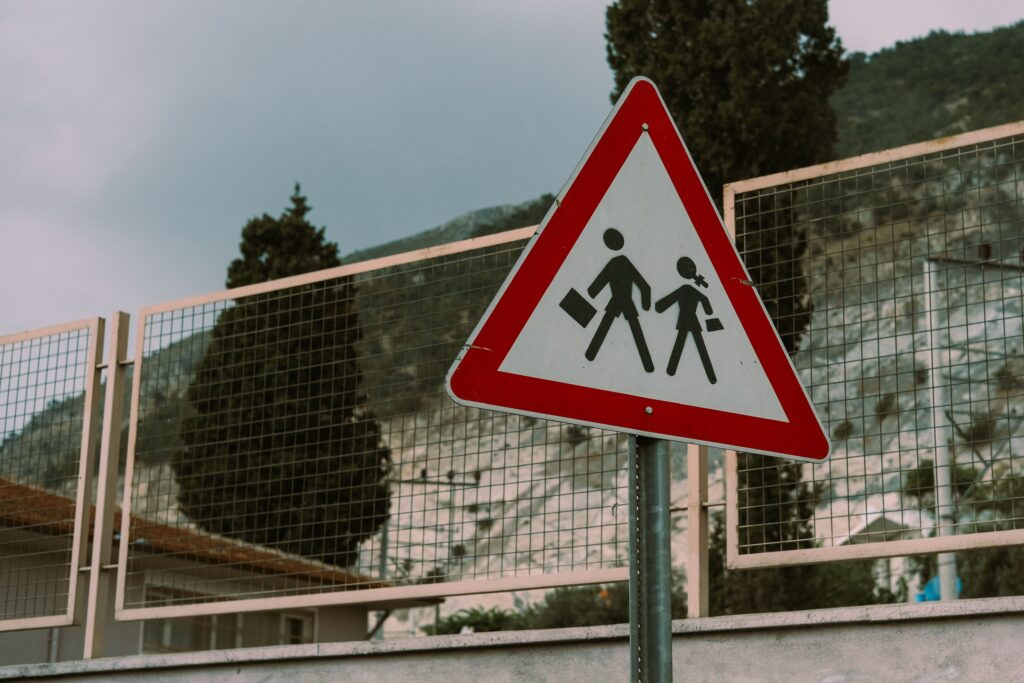
Florida law designates school zones as areas requiring reduced speeds and heightened driver attention during specific hours — typically when students are arriving, present, or departing. These zones are marked with specific signage and often flashing yellow lights that activate during active school hours.
The legal consequences of traffic violations in active Florida school zones are significantly enhanced compared to the same violations elsewhere.
Fines are doubled in active school zones. A speeding ticket that costs $150 in a standard zone costs $300 in an active school zone. Failure to yield violations, red light violations, and other moving violations all carry doubled fines when committed in active school zones.
Points are added to your license for school zone violations just as they are for violations elsewhere — the point values are the same, but the doubled financial consequence reflects the enhanced seriousness of the violation.
Traffic school election remains available for eligible first-offense school zone violations. Electing traffic school within 30 days of the ticket date withholds the violation from your driving record — preventing the insurance surcharge that would otherwise follow.
School bus violations carry particularly serious consequences. Florida law requires drivers to stop when a school bus displays its stop sign and flashing lights — regardless of which direction you’re approaching from on undivided roads. Passing a stopped school bus in Florida carries severe penalties including four points on your license, significant fines, and possible license suspension for repeat offenses. The insurance impact of a school bus passing violation is substantial.
The Insurance Impact of School Zone Violations
School zone violations affect your Florida car insurance in the same way as other moving violations — through points on your license and premium surcharges at renewal — but the doubled fines signal the enhanced seriousness that insurers also recognize.
A speeding ticket in a Florida school zone follows the standard violation processing path. Your insurer discovers the conviction at renewal through an automatic driving record check. A premium surcharge is applied for three years. The surcharge amount depends on the severity of the speeding and your insurer’s specific rating practices.
The traffic school election strategy is just as valuable for school zone violations as for any other eligible violation. A $30 traffic school course that eliminates a school zone speeding surcharge can save $1,000 or more in insurance costs over three years.
School bus passing violations are treated more seriously by most Florida insurers than standard speeding tickets because they represent a specific, significant failure of driver responsibility. The four points added to your license for a school bus passing violation produce a larger insurance surcharge than a typical three-point moving violation.
Accidents in School Zones — The Enhanced Liability Picture
When accidents occur in school zones — particularly accidents involving children — the legal and insurance consequences are more severe than accidents in standard driving environments.
Proving negligence is easier in school zones. When a driver causes an accident in a school zone while violating the reduced speed limit or other school zone regulations the traffic violation itself is strong evidence of negligence. Insurance companies and personal injury attorneys treating these cases understand this — and it affects how quickly and completely liability is assigned.
Child injury claims are treated seriously by Florida courts and juries. Accidents that injure children in school zones produce jury awards and insurance settlements that reflect both the severity of the injuries and the emotional weight that surrounds child victims. Adequate Bodily Injury Liability coverage is particularly important for drivers who regularly travel through school zones.
Florida’s comparative negligence system applies. If a child darted into traffic unexpectedly their contributory negligence — or their parents’ negligence in supervising them — can reduce a driver’s liability proportionally. However even shared fault situations in school zones can produce significant liability for drivers.
Practical School Zone Safety That Reduces Your Legal and Insurance Exposure
The driving behaviors that reduce school zone accident risk also reduce your insurance exposure — because accidents in school zones carry consequences that compound on top of the underlying violation surcharges.
Slow down before you reach the school zone. The transition from standard speed to school zone speed should happen before you enter the zone — not within it. Reducing speed as soon as you see school zone signage approaching gives you maximum reaction time for the unpredictable behavior of children near schools.
Eliminate all distractions during school hours. Children in school zones are unpredictable in ways that adult pedestrians are not. A child may chase a ball into the street, cross without looking, or behave in ways that require immediate driver response. Having your complete attention on the driving environment is not optional in school zones — it’s essential.
Watch for crossing guards and follow their directions. Florida crossing guards are legally authorized to direct traffic. Failing to follow a crossing guard’s directions is a traffic violation. Their signals also provide advance notice of children about to cross that you might not otherwise have.
Stop completely for school buses — every time. The school bus stopping requirement is absolute in most circumstances. When a school bus displays its stop sign and flashing lights you must stop — regardless of how much of a hurry you’re in, regardless of whether you think children are actually crossing. The legal consequences of getting this wrong are severe.
Be particularly alert at school zone boundaries. Children don’t always confine their behavior to the designated school zone. The blocks surrounding schools — where children are walking to and from the official zone — warrant elevated attention even when you’re technically outside the official zone boundaries.
What to Do if You’re Involved in an Accident in a School Zone
Accidents in school zones require the same immediate steps as any Florida accident — with additional considerations reflecting the potential involvement of minor victims.
Call 911 immediately. For any school zone accident involving potential injury law enforcement response is essential. In accidents involving children this is particularly urgent — children may underreport injury severity due to shock, and medical assessment of child victims should happen quickly.
Do not move an injured child. If a child has been struck wait for emergency medical personnel to assess and move them. Moving an injured person — particularly a child who may have head or spinal injuries — before professional assessment can cause additional harm.
Document the scene thoroughly. Speed limit signs, school zone markings, the positions of vehicles and any pedestrians involved, and any relevant road conditions all matter for fault determination. Document before anything is moved if it’s safe to do so.
Contact your insurance company promptly. Report the accident honestly and completely. For accidents involving children your insurer’s claims team needs to be aware from the beginning given the potential seriousness of child injury claims.
Consult a Florida attorney for accidents involving injuries. School zone accidents involving injured children create serious legal exposure. Speaking with a Florida personal injury defense attorney before giving recorded statements to the other party’s legal representation is strongly advisable.
Frequently Asked Questions About School Zones and Florida Car Insurance
Q: Are fines really doubled for speeding in a Florida school zone?
Yes. Florida law mandates doubled fines for traffic violations committed in active school zones. A speeding ticket that costs $150 elsewhere costs $300 in an active school zone. The violation still adds points to your license and can affect your insurance rates.
Q: Can I elect traffic school for a school zone speeding ticket in Florida?
Yes, for eligible first offenses. Traffic school election works the same way for school zone violations as for other moving violations. Elect within 30 days of the ticket date, complete the approved course, and the violation is withheld from your driving record — preventing the insurance surcharge.
Q: What are the consequences of passing a stopped school bus in Florida?
Passing a stopped school bus in Florida carries four points on your license, significant fines, and possible license suspension for repeat offenses. The insurance surcharge for a school bus passing violation is substantial. Traffic school election is not available for school bus violations in most circumstances.
Q: Does my insurance cover me if I hit a child in a school zone?
Your liability coverage responds to accidents you cause involving child pedestrians just as it does for adult pedestrians. However child injury claims in school zones can produce significant settlements and jury awards. Adequate Bodily Injury Liability coverage — at least $100,000 per person — is important for any Florida driver who regularly travels through school zones.
Q: When are Florida school zones active?
School zone speed limits apply during the hours indicated on school zone signs — typically when children are arriving, present, or departing. Many Florida school zones have flashing yellow lights that activate during these hours. When the lights are flashing the reduced speed limit applies. Some zones indicate specific hours on their signage.
Conclusion — Children Deserve Your Full Attention
Florida school zones exist because children deserve a protected buffer around their schools — a place where society has formally said that driver speed and attention must be elevated above the standard required elsewhere.
The enhanced penalties for school zone violations, the doubled fines, the serious consequences for school bus passing violations — these aren’t bureaucratic overreach. They’re the legal system’s attempt to enforce a standard of driver behavior that adequately reflects what children’s safety requires.
Meeting that standard isn’t difficult. Slow down before you reach the zone. Eliminate distractions. Watch for children with the heightened alertness their unpredictability requires. Stop for school buses every time.
These habits protect children. They also protect your driving record, your insurance rates, and your financial exposure from the serious consequences that school zone accidents and violations produce.
Visit EverQuote.com to compare Florida car insurance quotes and make sure your coverage — particularly your Bodily Injury Liability limits — adequately protects you against the full range of situations Florida drivers face.
Disclosure: This article contains affiliate links. We may earn a commission if you click and purchase through our links at no extra cost to you.