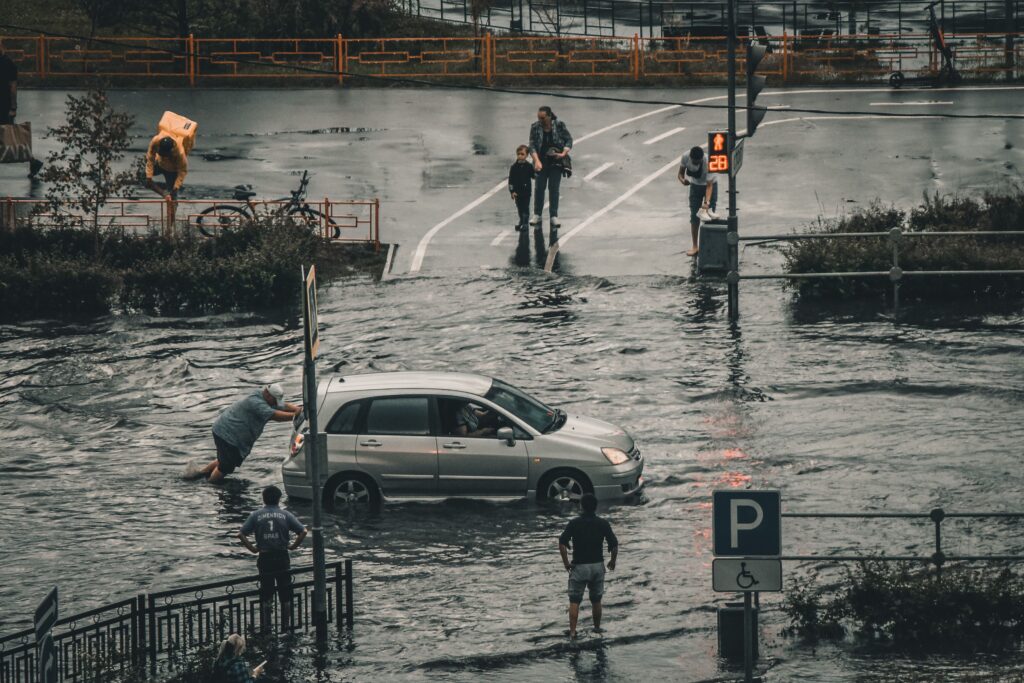
Florida Car Insurance and Hurricanes: The Complete Guide to Protecting Your Vehicle Before, During, and After a Storm
Here is something I’ve noticed that most Florida drivers only think about when a hurricane warning is already on the news — and by then it is often too late to make meaningful changes to their car insurance coverage. Florida’s hurricane season runs from June 1 through November 30 every year, and with the state’s geography and climate, the question for most Florida drivers is not whether they will experience a significant storm during their years of Florida residency, but when.
Understanding exactly how your car insurance responds to hurricane damage, what you need to do before a storm to protect your coverage, and how to navigate the claims process afterward can make an enormous difference in how quickly and completely you recover financially after a major weather event.
Does Car Insurance Cover Hurricane Damage in Florida?
This is the most fundamental question, and the answer requires understanding one critical distinction that many Florida drivers miss until it is too late.
Standard minimum car insurance in Florida — the state required $10,000 Personal Injury Protection and $10,000 Property Damage Liability — does not cover hurricane damage to your vehicle. These minimum coverages protect other people from damages you cause, not your own vehicle from weather events.
The only type of car insurance that covers hurricane damage to your vehicle is comprehensive coverage. Comprehensive coverage is optional in Florida unless your vehicle is financed or leased, in which case your lender requires it. If you own your vehicle outright and chose to drop comprehensive coverage to save money on premiums, your vehicle has no insurance protection against hurricane damage.
This is genuinely one of the most important things any Florida car owner should verify before hurricane season begins each year. A quick call to your insurer asking whether your policy includes comprehensive coverage takes five minutes and could save you tens of thousands of dollars.
What Comprehensive Coverage Pays For After a Hurricane
When your vehicle is damaged by a hurricane and you have comprehensive coverage, here is exactly what your insurance company will do.
For repairable damage — wind damage, flying debris, broken glass, dents from hail or falling objects, tree branches that fell on your vehicle — your comprehensive coverage pays the cost of repairs minus your deductible. If repairs cost $8,000 and your deductible is $500, your insurer pays $7,500.
For total loss situations — where the cost of repairs exceeds the vehicle’s actual cash value — your insurer pays you the actual cash value of your vehicle at the time of the storm minus your deductible. Actual cash value reflects depreciation, meaning you receive what the vehicle was worth on the market at the time of the loss, not what you originally paid for it.
Flood damage from storm surge or rising water is also covered under comprehensive coverage for your vehicle. This is different from homeowners insurance, where separate flood insurance is required. Your auto comprehensive coverage and your home’s flood insurance are two completely separate products covering different things.
The Hurricane Deductible — A Critical Detail Most Florida Drivers Don’t Know About
Here is something that genuinely surprises many Florida drivers when they file their first hurricane claim. Your hurricane deductible for your vehicle is almost certainly different from your standard comprehensive deductible, and it may be significantly higher.
Some Florida auto insurance policies include a separate hurricane deductible that is calculated as a percentage of your vehicle’s insured value rather than a flat dollar amount. A 2 percent hurricane deductible on a vehicle insured for $30,000 means you pay the first $600 out of pocket. A 5 percent hurricane deductible on the same vehicle means you pay $1,500 before insurance kicks in.
This is more common with homeowners insurance in Florida, but it does appear in some auto policies as well. Review your specific policy carefully or call your insurer to ask exactly what deductible applies when hurricane damage triggers a comprehensive claim. Understanding this before a storm is far better than being surprised by it while processing a claim.
The Most Important Rule About Adding Coverage Before a Storm
This is perhaps the single most important piece of information in this entire guide, and it is something Florida drivers need to know well before hurricane season begins.
You cannot add comprehensive coverage to your vehicle after a hurricane or tropical storm has been named and is threatening Florida. Insurance companies in Florida implement a moratorium on new comprehensive coverage — and changes to existing coverage — once a storm is named and approaching the state. This moratorium typically goes into effect when the storm enters the Gulf of Mexico or reaches a certain proximity to Florida.
I’ve noticed that every hurricane season, some Florida drivers who don’t have comprehensive coverage try to add it when they see a storm developing on the news. By the time most people are paying attention to the storm, it has already been named, and the moratorium is already in place.
The time to verify your comprehensive coverage and add it if needed is in the spring — before hurricane season begins on June 1. If you are not sure whether your current policy includes comprehensive coverage, check now rather than waiting until a storm is approaching.
How to Prepare Your Vehicle and Your Insurance Before Hurricane Season
Taking proactive steps before hurricane season begins protects both your vehicle and your ability to file a successful claim if a storm causes damage.
Verify your coverage. Call your insurer or review your policy documents before June 1 each year. Confirm you have comprehensive coverage and understand your deductible. If you don’t have comprehensive coverage and want it, add it before hurricane season begins.
Document your vehicle’s condition. Take detailed photos and a short video of your vehicle from all angles before hurricane season. Document the interior, exterior, and any existing damage. Store these photos in cloud storage — not just on your phone, which could be lost or damaged in a storm. This documentation establishes your vehicle’s pre-storm condition and is invaluable for a hurricane claim.
Know your insurer’s claims contact information. Save your insurance company’s claims phone number and app information on your phone before hurricane season. After a major storm, insurance companies receive enormous claim volumes and the process of reporting a claim should be as frictionless as possible.
Review your roadside assistance coverage. After a hurricane, roads may be blocked, flooding may be present, and getting your vehicle towed to a repair facility may require specific coordination. Make sure your roadside assistance coverage is adequate and that you know how to contact them.
Protecting Your Vehicle During a Hurricane
The decisions you make about where to leave your vehicle before a storm can significantly affect the likelihood and severity of damage, which in turn affects your insurance claim experience.
Moving your vehicle to higher ground is the most important step you can take if flooding is a concern. Storm surge and flooding are among the most destructive weather events for vehicles, and a car parked on the first floor of a parking garage in a flood zone during a major hurricane can sustain catastrophic damage. Moving your vehicle to a multi-story parking garage with parking above the projected flood level provides significant protection.
Parking in an enclosed garage provides protection from wind damage and flying debris. If you have access to a garage, using it during a storm is far better than leaving your vehicle exposed.
Never drive through flooded roads during or after a hurricane. Just six inches of moving water can knock a person off their feet, and two feet of rushing water can sweep a vehicle away. Beyond the safety risk, attempting to drive through flooded roads and having water enter your engine can cause damage that may not be covered if your insurer determines you made an unreasonable choice.
If you are evacuating, take your vehicle with you if possible. A vehicle that is with you during evacuation is not in the path of the storm, which eliminates the storm damage risk entirely.
After the Storm — Filing a Hurricane Damage Claim
When a hurricane has caused damage to your vehicle and you are ready to file a claim, following the right process protects both your claim and your safety.
Safety first. Do not approach a flood-damaged vehicle without taking proper precautions. A vehicle that has been submerged or partially flooded may have electrical hazards from its battery system. Do not attempt to start a flood-damaged vehicle, as water in the engine can cause catastrophic additional damage.
Document the damage immediately. Before anything is moved, cleaned, or repaired, take extensive photos and video of all damage. Document every angle of the exterior, the interior, the engine compartment if it can be safely accessed, and the surrounding area showing the storm damage context.
Report your claim promptly. Contact your insurance company as soon as possible after the storm. After major hurricanes, insurers receive tens of thousands of claims simultaneously. Filing promptly gets you into the queue earlier and can meaningfully affect how quickly your claim is processed.
Keep all receipts. Any expenses related to the storm damage — towing fees, storage fees, emergency repairs necessary to prevent further damage — should be documented with receipts. Some of these costs may be reimbursable under your comprehensive coverage.
Do not accept a settlement without understanding it. If your insurer declares your vehicle a total loss and offers you a settlement, review it carefully before accepting. The settlement should reflect your vehicle’s fair market value at the time of the loss. If you believe the settlement amount undervalues your vehicle, you have the right to negotiate or dispute it.
Gap Insurance and Hurricane Total Losses
If you have a financed vehicle that is declared a total loss after a hurricane, gap insurance becomes critically important. The actual cash value your insurer pays for a totaled vehicle may be less than what you still owe on your auto loan, leaving you responsible for paying off a vehicle you no longer have.
Gap insurance covers the difference between your insurance payout and your remaining loan balance in total loss situations. Given Florida’s annual hurricane risk, gap insurance is worth serious consideration for any Florida driver who finances a vehicle.
Rental Car Coverage After a Hurricane
One aspect of hurricane recovery that many Florida drivers overlook is the need for a rental vehicle while their hurricane-damaged car is being repaired — a process that can take weeks or months after a major storm when repair shops are overwhelmed with claims.
Rental reimbursement coverage is not automatically included in your comprehensive coverage. It is a separate optional coverage that you need to specifically add to your policy. After a major hurricane, the demand for rental vehicles across affected areas of Florida often exceeds supply, and having rental reimbursement coverage ensures your insurer is helping pay for your transportation while your vehicle is out of service.
Frequently Asked Questions About Hurricane and Car Insurance in Florida
Q: Does my car insurance cover hurricane damage in Florida?
Only if you have comprehensive coverage. Florida’s minimum required coverages — PIP and property damage liability — do not cover hurricane damage to your own vehicle. Comprehensive coverage, which is optional unless your vehicle is financed, covers hurricane wind damage, flying debris, flooding, and other weather-related damage.
Q: Can I add comprehensive coverage when a hurricane is approaching Florida?
No. Insurance companies implement a moratorium on new comprehensive coverage once a tropical storm or hurricane is named and threatening Florida. You must add comprehensive coverage before a storm is announced. The time to verify and add coverage is before hurricane season begins on June 1.
Q: Does car insurance cover flooding from a hurricane in Florida?
Yes. Comprehensive auto insurance covers flood damage to your vehicle from hurricane storm surge and flooding. This is different from homeowners insurance, where separate flood insurance is required. Your auto comprehensive coverage handles vehicle flood damage.
Q: What happens if my car is totaled by a hurricane in Florida?
If your vehicle is declared a total loss and you have comprehensive coverage, your insurer pays you the actual cash value of your vehicle at the time of the storm minus your deductible. If you have gap insurance and the payout is less than your remaining loan balance, gap insurance covers the difference.
Q: How long does it take to get a hurricane insurance claim paid in Florida?
After a major hurricane, the claims process can take longer than usual due to the volume of claims insurers receive simultaneously. Florida law requires insurers to acknowledge claims within 14 days and pay or deny within 90 days. Significant claims or disputed amounts may take longer to resolve.
Conclusion
Florida’s annual hurricane season is a reality that every Florida car owner needs to prepare for with the same seriousness as any other significant financial risk. The steps to protecting yourself are straightforward — verify your comprehensive coverage before hurricane season, document your vehicle’s condition, understand your deductible, and know how to file a claim if you need to.
The drivers who recover most quickly and completely after a hurricane are almost always the ones who prepared before the storm rather than reacting to it. A few hours of preparation before June 1 each year can make an enormous difference in your financial recovery if a major storm affects your area.
Visit EverQuote.com to compare Florida car insurance quotes and make sure your policy includes the comprehensive coverage you need before the next hurricane season begins.
Disclosure: This article contains affiliate links. We may earn a commission if you click and purchase through our links at no extra cost to you.