Florida Car Insurance and Floods: What Every Driver Needs to Know Before the Next Storm
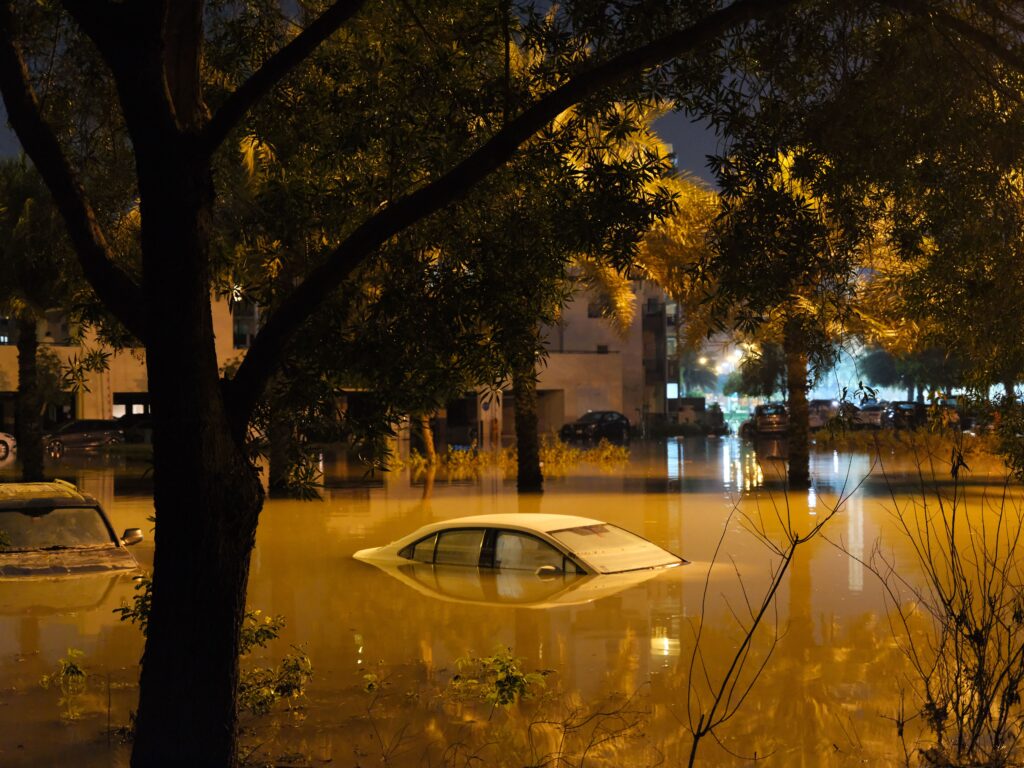
Florida floods. This is not a dramatic statement or a weather forecast — it is simply a geographic and meteorological reality that every Florida driver needs to accept and prepare for. The state sits at sea level, receives more annual rainfall than almost any other state, faces annual hurricane season from June through November, and has a water table so high that significant rainfall anywhere in the state can produce flooding conditions within hours.
Every year thousands of Florida vehicles are damaged or destroyed by flooding. Some of those losses are fully covered by insurance. Others — shockingly to the owners — are not covered at all. The difference between these two outcomes comes down to a single coverage decision that many Florida drivers make without fully understanding its implications.
Here is everything Florida drivers need to know about flood damage, car insurance, and how to make sure they’re on the right side of that outcome.
The Coverage Question — And Why It Surprises So Many Florida Drivers
Let me be direct about something that catches Florida drivers off guard every single hurricane season.
If your vehicle is damaged or destroyed by flooding and you do not have comprehensive coverage on your auto policy, your car insurance pays you nothing. Zero. The flood destroyed your $25,000 vehicle and your insurance company’s response is a letter explaining that flood damage to vehicles is not covered under your policy.
This scenario plays out for real Florida drivers every year — particularly after major storms — and the financial shock is severe for people who assumed they were covered without understanding exactly what their policy included.
Florida requires only two types of insurance — Personal Injury Protection and Property Damage Liability. Neither of these coverages has anything to do with damage to your own vehicle. They protect other people from you and protect your initial medical costs. They do not protect your vehicle from anything.
The only coverage that protects your vehicle from flood damage is comprehensive coverage. Comprehensive is optional in Florida unless your vehicle is financed or leased. Many Florida drivers who own their vehicles outright have dropped comprehensive coverage to save money on premiums — sometimes without fully understanding what protection they were giving up.
What Comprehensive Coverage Pays for After a Flood
When your vehicle is damaged by flooding and you have comprehensive coverage, your insurance company handles the claim as follows.
For repairable flood damage your comprehensive coverage pays the repair costs minus your deductible. Flood damage to vehicles is often extensive — electrical systems, interior components, mechanical systems affected by water intrusion can all require significant repair. If repairs cost $12,000 and your deductible is $500 your insurer pays $11,500.
For total loss situations — where the vehicle’s repair cost exceeds its actual cash value — your insurer pays you the actual cash value of your vehicle at the time of the flood minus your deductible. Actual cash value reflects what your vehicle was worth on the market at the time of the loss accounting for depreciation. This is not what you paid for the vehicle originally — it is what the vehicle was worth when the flood destroyed it.
Flood damage from all sources is covered under comprehensive — storm surge from hurricanes, rising water from heavy rainfall, flooding from overflowing rivers or drainage systems. The source of the flood water doesn’t change the coverage as long as you have comprehensive on your policy.
The Critical Rule About Adding Coverage Before a Storm
This is the rule that Florida drivers need to know and follow before every hurricane season — not when a storm is already approaching.
Florida insurance companies implement a moratorium on new coverage and coverage changes once a tropical storm or hurricane has been named and is threatening the state. This moratorium typically goes into effect when a storm is named in the Atlantic basin and begins moving toward Florida. Once the moratorium is in place you cannot add comprehensive coverage to your policy until the storm has passed and the moratorium is lifted.
Every single hurricane season some Florida drivers who don’t have comprehensive coverage see a storm developing in the Gulf and try to add coverage quickly. By the time most people are paying attention to a developing storm it has already been named. The moratorium is already in effect. The coverage cannot be added.
The time to verify your comprehensive coverage and add it if needed is before hurricane season begins on June 1 — every year, without exception. A quick call to your insurer before June 1 to confirm you have comprehensive coverage on every vehicle you own takes five minutes and can prevent a financial catastrophe.
Protecting Your Vehicle Before a Flood Event
Insurance knowledge is only valuable if you also take practical steps to protect your vehicle when flooding threatens. Here is what Florida drivers should do when flood conditions are forecast.
Move your vehicle to higher ground immediately when flooding is forecast. The most common and most preventable vehicle flood losses in Florida occur when vehicles are left in low-lying areas, underground garages, or flood-prone parking areas during storms. A vehicle parked on elevated ground or in a multi-story parking structure above projected flood levels has dramatically lower flood risk than one left at ground level in a flood zone.
Never drive through flooded roads. This advice is simple and frequently ignored — and the consequences of ignoring it are severe. Just six inches of moving water can knock a person off their feet. One to two feet of water can float and carry away most vehicles. Attempting to drive through flooded roads and having water enter your engine can cause catastrophic damage that may not be covered if your insurer determines you made an unreasonable decision to drive through known flood conditions.
Know your property’s flood risk. Florida’s flood maps are publicly available and show which areas are in high-risk flood zones. If you regularly park in a flood zone area — particularly during hurricane season — understanding your specific risk helps you make better decisions about when and where to move your vehicle before a storm.
After the Flood — Handling a Flood Damage Claim
When flooding has damaged your vehicle the steps you take in the aftermath significantly affect how smoothly your claim is processed.
Do not attempt to start a flooded vehicle. This is critically important for both safety and insurance reasons. A vehicle that has been flooded may have electrical hazards from its battery system. Attempting to start a flood-damaged vehicle can cause additional mechanical damage — damage that occurred after the flood and may not be covered. Wait for professional assessment before any attempt to start the vehicle.
Document everything before anything is moved or cleaned. Photograph the vehicle from multiple angles showing the water line, interior flooding, and all visible damage. If the vehicle is in a flooded area and can be photographed from a distance showing the flood conditions, capture that as well. This documentation establishes the flood as the cause of damage and supports your claim.
Report the claim promptly. After major flood events Florida insurers receive enormous claim volumes. Filing promptly gets you into the queue earlier and can meaningfully affect how quickly your claim is processed. Have your policy number, vehicle VIN, and documentation of the damage ready when you call.
Be aware of flood title implications. Vehicles that are declared total losses due to flood damage receive a flood title — a brand on the title that permanently discloses the vehicle’s flood history. This affects the vehicle’s future resale value and makes it important that any subsequent repairs are done to a proper standard. Your insurer will typically handle the title branding process as part of the total loss settlement.
The Gap Insurance Consideration for Flooded Vehicles
If you have a financed vehicle that is declared a total loss due to flooding, gap insurance becomes relevant in the same way it does for any total loss situation.
The actual cash value your comprehensive insurer pays for a flood-totaled vehicle may be less than what you still owe on your auto loan. If your vehicle is worth $22,000 at the time of the flood but you owe $28,000 on your loan the $6,000 difference is your responsibility without gap insurance.
Florida’s flood risk makes this gap insurance consideration particularly relevant. A major hurricane that floods thousands of vehicles simultaneously creates a scenario where many vehicle owners discover the gap between their loan balance and their vehicle’s actual cash value at the worst possible time.
If you have a financed vehicle in Florida and don’t have gap insurance this is worth reviewing before hurricane season.
Frequently Asked Questions About Flood Damage and Florida Car Insurance
Q: Does car insurance cover flood damage in Florida?
Only if you have comprehensive coverage. Florida’s required minimum coverages — PIP and property damage liability — do not cover flood damage to your own vehicle. Comprehensive coverage, which is optional unless your vehicle is financed, is the only auto insurance that covers flood damage.
Q: Can I add comprehensive coverage when a hurricane is approaching Florida?
No. Insurance companies implement a coverage moratorium once a tropical storm or hurricane is named and threatening Florida. You must add comprehensive coverage before a storm is announced. Verify your coverage before June 1 each year.
Q: What if I drove through a flooded road and my engine was damaged?
Claims for engine damage resulting from driving through known flood conditions can be complicated. Some insurers may deny coverage arguing that driving through a flooded road was an unreasonable decision that caused additional damage beyond the flood itself. Never drive through flooded roads — both for safety and for insurance reasons.
Q: How long does a flood damage claim take in Florida?
After major flood events involving many vehicles simultaneously the claims process can take longer than usual due to volume. Florida law requires insurers to acknowledge claims within 14 days and pay or deny within 90 days. Significant or disputed claims may take longer.
Q: My car was parked when it flooded. Is that covered differently than if I was driving?
No. Comprehensive coverage applies to flood damage whether your vehicle was parked or in motion at the time of the flood — as long as the flooding was the cause of the damage rather than a collision or other covered event.
Conclusion — Prepare Before the Season, Not During the Storm
Florida’s flood risk is real, annual, and well-documented. The insurance protection available against that risk is clear and specific — comprehensive coverage. The window to add that protection closes the moment a storm is named.
The Florida drivers who recover quickly and completely after flood events are almost universally the ones who verified their comprehensive coverage before hurricane season, moved their vehicles to safety when storms approached, and filed their claims promptly with thorough documentation.
The ones who don’t recover are the ones who assumed they were covered, or who tried to add coverage when it was already too late.
Check your comprehensive coverage today. Don’t wait for the forecast.
Visit EverQuote.com to compare Florida car insurance quotes and make sure your comprehensive coverage is in place before Florida’s next flood season arrives.
Disclosure: This article contains affiliate links. We may earn a commission if you click and purchase through our links at no extra cost to you.