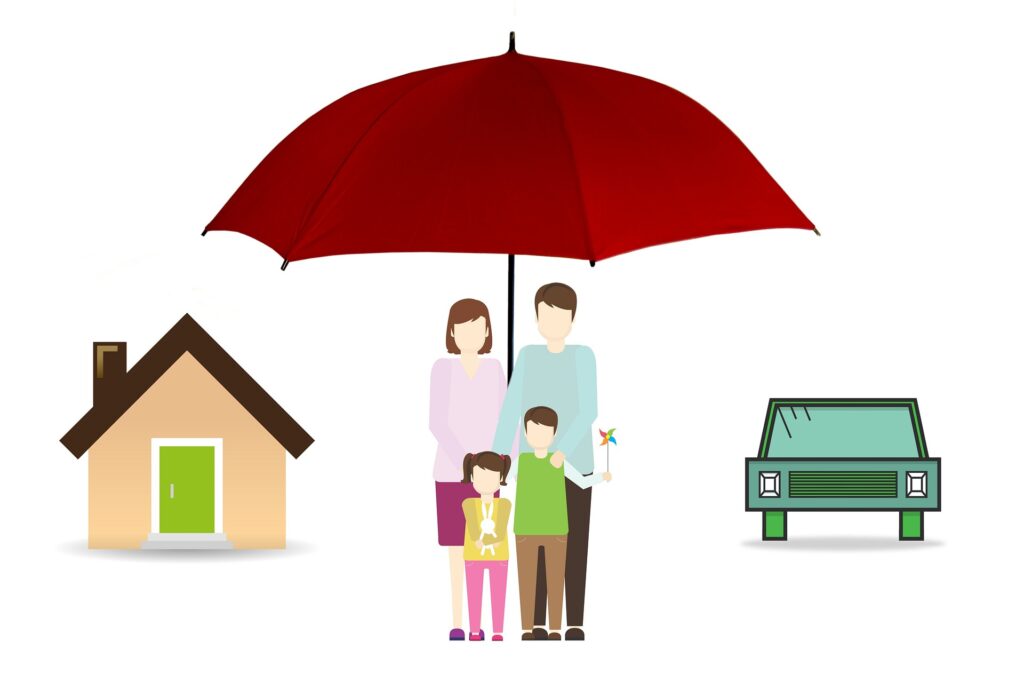
Florida Car Insurance and Bundling Home and Auto: Is It Always Worth It?
Walk into almost any insurance conversation in Florida and bundling comes up quickly. Insure your home and car with the same company and save money. The pitch is consistent, the logic sounds simple, and the discount is real.
But here is what the pitch leaves out. Bundling is not always the financially optimal choice for Florida homeowners — and in Florida specifically the homeowners insurance market is complicated enough that the bundling calculation requires actual math rather than assumption.
This guide gives you that math. The real discount ranges. The genuine situations where bundling saves meaningful money. And the equally genuine situations where shopping your home and auto separately produces a better outcome despite the bundling discount.
What Bundling Actually Means and What It Doesn’t
Bundling means purchasing both your homeowners insurance and your auto insurance from the same company. The insurer rewards this consolidated relationship with a multi-policy discount — typically applied to one or both policies.
What bundling doesn’t mean is automatically paying less. The discount is real. Whether the discounted combined premium is lower than what you’d pay shopping each policy independently with the most competitive available insurer for each — that requires an actual comparison.
A 15 percent bundling discount on an auto policy that is 25 percent more expensive than your best available standalone rate still leaves you paying more than you would shopping independently. The discount doesn’t overcome the base rate disadvantage.
This is the calculation most Florida homeowners never make — and it costs them real money at every renewal.
Florida’s Homeowners Insurance Complication
In most states the bundling calculation is relatively straightforward. Find an insurer competitive on both products, bundle, and save.
Florida’s homeowners insurance market makes this significantly more complicated.
Florida’s homeowners insurance environment is genuinely difficult. Hurricane risk, roof age requirements, litigation costs, and insurer instability have created a market where many national insurers have dramatically reduced their Florida homeowners exposure or exited entirely. Citizens Property Insurance — Florida’s insurer of last resort — insures hundreds of thousands of Florida homeowners who cannot find coverage in the private market.
This market reality means the insurer offering your best auto rate may not offer homeowners insurance in Florida at all. The insurer offering your best homeowners rate may not be your most competitive auto insurer. And the company offering the largest bundling discount may have elevated base rates on one or both products that the discount doesn’t fully overcome.
Getting the bundling decision right in Florida requires comparing three specific scenarios with actual quotes — not assumptions.
The Three Scenarios Every Florida Homeowner Should Compare
Scenario 1 — Best available standalone auto rate:
Shop your auto insurance independently across at least five companies. Find the most competitive rate for your specific profile with the coverage levels you need. This is your standalone auto baseline.
Scenario 2 — Best available standalone homeowners rate:
Shop your homeowners insurance independently across available Florida homeowners insurers. Given Florida’s difficult homeowners market your options may be more limited than your auto insurance options — but get the best available rate. This is your standalone homeowners baseline.
Scenario 3 — Best available bundled rate:
Get bundled quotes from companies that write both homeowners and auto insurance in Florida and offer multi-policy discounts. State Farm, Allstate, Nationwide, and USAA for military families are among the companies to include. Calculate the combined bundled premium.
Compare the total of Scenarios 1 and 2 against Scenario 3. The lower number is your better financial choice.
This comparison takes a few hours. For most Florida homeowners it produces savings that justify the time investment many times over.
When Bundling Clearly Makes Sense in Florida
Several specific situations produce bundling outcomes that clearly favor the consolidated approach.
When both products are competitive with the bundling insurer:
If State Farm, Allstate, or another bundling-capable insurer offers competitive rates on both your homeowners and auto insurance in your specific Florida location the bundling discount on top of already competitive base rates produces a genuinely favorable outcome.
When your homeowners situation is straightforward:
Newer homes, standard construction, good roof condition, and locations outside high-risk coastal zones give you the broadest range of homeowners insurance options — including from bundling-capable national insurers. More options mean more likelihood that the bundling insurer’s homeowners rate is competitive.
When the bundling discount is substantial:
Discounts in the 20 to 25 percent range are large enough to overcome modest base rate disadvantages. When insurers offer discounts at the higher end of the range the math more consistently favors bundling.
Military families eligible for USAA:
USAA’s home and auto products are consistently among the most competitively priced available and their bundling discounts are meaningful. For eligible military families USAA bundling almost always produces favorable outcomes.
When Bundling May Not Make Sense in Florida
Equally important — the situations where shopping independently produces better outcomes despite forgoing the bundling discount.
When your homeowners situation is complicated:
Older homes, aging roofs, prior claims history, coastal locations, or non-standard construction limit your homeowners insurance options significantly. When you can only access a few homeowners insurers the one offering bundling may not be offering a competitive homeowners rate. Accepting an uncompetitive homeowners rate to get an auto bundling discount often costs more than it saves.
When Citizens is your homeowners insurer:
Citizens Property Insurance — Florida’s state-run insurer of last resort — does not bundle with auto insurance. If Citizens is your homeowners insurer you’re shopping auto insurance independently regardless. Shop it that way aggressively.
When the auto rate difference is large:
If the insurer offering bundling is 30 percent more expensive on auto than your best available standalone rate a 15 percent bundling discount doesn’t close the gap. You pay 15 percent more for auto with the bundler than you would shopping independently — even after the discount.
When you’ve had recent homeowners claims:
Recent homeowners claims limit your options with many standard market insurers and can produce elevated base rates even with companies that will insure you. The bundling discount on top of an elevated base rate may still leave you paying more than a standalone auto rate from an independent insurer.
The Stacking Opportunity — Beyond Home and Auto
For Florida homeowners who do find favorable bundling outcomes the multi-policy discount concept extends beyond home and auto.
Umbrella liability coverage — a separate liability policy that extends above your auto and homeowners limits — is often available at meaningful discounts when bundled with existing home and auto policies. For Florida homeowners with significant assets an umbrella policy is genuinely important protection and the bundling discount makes it more affordable.
A $1 million umbrella policy bundled with existing home and auto typically costs $150 to $300 per year — modest cost for substantial additional liability protection. Without bundling the same umbrella coverage typically costs $200 to $400.
Additional vehicles, motorcycle coverage, and boat insurance can often be added to an existing bundle with incremental discounts that compound the overall savings from the consolidated relationship.
How to Actually Make the Comparison
Step 1: Get your current premiums clearly documented. What do you pay annually for homeowners? For auto?
Step 2: Get standalone auto quotes from at least five companies using your specific coverage requirements. Identify your best standalone auto rate.
Step 3: Get standalone homeowners quotes from available Florida insurers. Identify your best available homeowners rate. Add this to your best standalone auto rate — this is your independent total.
Step 4: Get bundled quotes from State Farm, Allstate, Nationwide, and any other companies that write both products in your Florida location. Ask specifically what the multi-policy discount is and how it applies. Calculate total bundled premium for each.
Step 5: Compare your independent total against your best bundled total. The lower number wins.
Step 6: Review at every annual renewal. The best answer this year may not be the best answer next year as rates change and your situation evolves.
Frequently Asked Questions About Bundling in Florida
Q: How much does bundling typically save in Florida?
Bundling discounts in Florida typically range from 5 to 25 percent on one or both policies. On a combined annual spend of $7,000 for home and auto a 15 percent discount saves $1,050 per year. The actual savings depend on which company you bundle with and whether their base rates are competitive for your specific situation.
Q: My homeowners insurer doesn’t offer auto insurance. What should I do?
Shop your auto insurance independently and aggressively. Get at least five quotes. Your homeowners situation and your auto situation are separate decisions — make each one optimally rather than assuming they should be with the same company.
Q: Can I bundle renters insurance and auto insurance in Florida?
Yes — many insurers offer multi-policy discounts for renters and auto bundled together. The same comparison logic applies. Get bundled quotes and compare against your best available standalone rates for each.
Q: Does bundling affect how claims are handled?
Having home and auto with the same company can simplify claims that involve both — like a hurricane that damages your home and vehicle simultaneously. One insurer handles both claims potentially through a single adjuster. This coordination benefit is genuine though not always dramatic in practice.
Q: My bundled insurer raised my homeowners rate significantly. Should I still bundle?
Recalculate. A significant homeowners rate increase changes the math. Get fresh quotes for both products independently and compare against the renewed bundled premium. If the independent total is now lower it may be time to separate the policies despite losing the bundling discount.
Conclusion — Do the Math Every Year
Bundling home and auto insurance saves Florida homeowners real money in the right circumstances. In the wrong circumstances it costs real money while appearing to save it — because the bundling discount obscures the fact that the base rates aren’t competitive.
Florida’s complicated homeowners insurance market makes the bundling calculation more important to get right here than in most other states. The range of available homeowners insurers is narrower. The rate variation is larger. And the consequences of choosing an uncompetitive homeowners rate — on top of which you’re applying a discount — are more significant.
Do the comparison. Every year. With actual quotes rather than assumptions. The hour it takes is consistently worth it for Florida homeowners whose combined home and auto spend makes even a 10 percent improvement meaningful in absolute dollar terms.
Visit EverQuote.com to compare Florida car insurance quotes as part of your bundling comparison and find the most competitive auto rate available — whether you ultimately bundle or shop independently.
Disclosure: This article contains affiliate links. We may earn a commission if you click and purchase through our links at no extra cost to you.