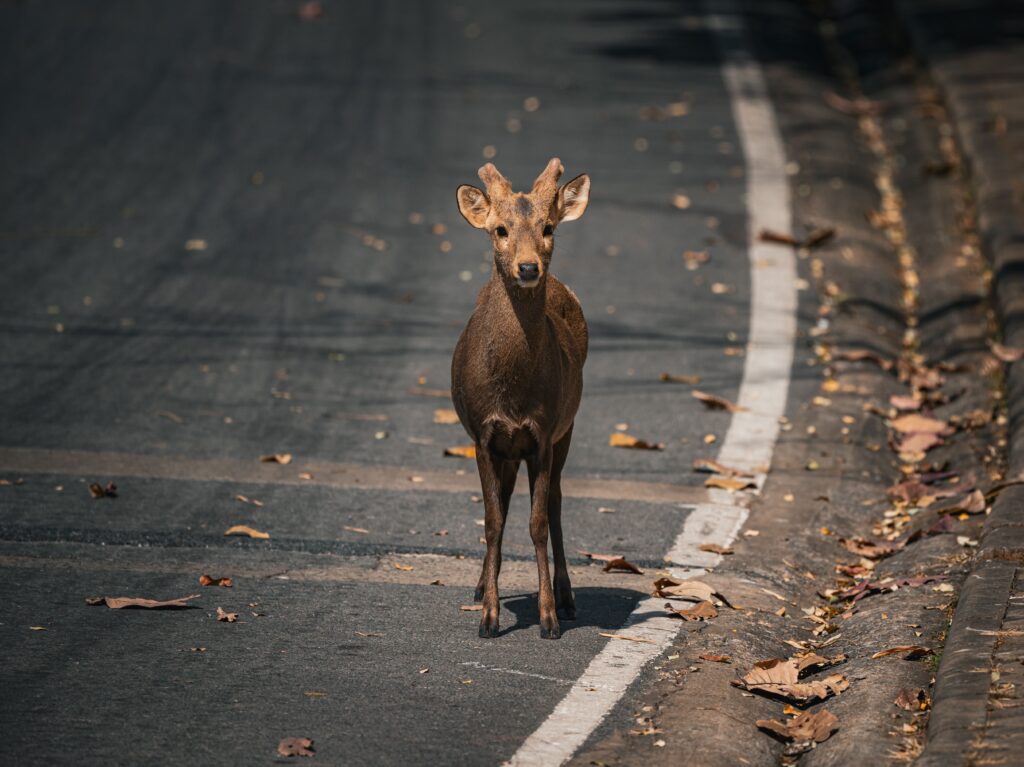
Florida Car Insurance and Animal Collisions: What Happens When You Hit a Deer, Alligator, or Other Wildlife
It happens more often than most Florida drivers expect. You’re driving on Alligator Alley at dusk — the stretch of I-75 that cuts through the Everglades between Fort Lauderdale and Naples. The road is straight and flat and you’re maintaining a steady 70 miles per hour when something large moves at the edge of your headlights.
A deer. A wild hog. An alligator crossing the highway.
By the time you react the collision has already happened.
Wildlife collisions are a genuine and underappreciated risk on Florida’s roads — and the insurance response to them is different from standard vehicle accidents in ways that every Florida driver should understand before they’re standing on the shoulder of a dark highway trying to figure out what just happened.
Florida’s Wildlife Collision Reality
Florida’s combination of diverse wildlife, extensive natural areas, and roads that cut through or alongside these areas creates wildlife collision risk that exists year-round rather than just during specific seasons.
White-tailed deer are Florida’s most common large wildlife collision hazard. They are present throughout North and Central Florida and their population has grown significantly in suburban areas where development has fragmented their natural habitat. Deer collisions peak at dawn and dusk — the periods of lowest visibility coinciding with deer’s most active movement periods.
Wild hogs — feral pigs — are an increasingly serious road hazard in Florida. The state’s feral hog population has exploded in recent decades and they are now present in nearly every Florida county. Wild hogs can weigh several hundred pounds and a collision at highway speed causes significant vehicle damage.
Alligators crossing roads are a uniquely Florida hazard. Florida has approximately 1.3 million alligators distributed across the state’s extensive wetland systems. Roads that cross or run alongside wetlands — Alligator Alley being the most famous but hardly the only example — create regular alligator crossing situations particularly at night.
Florida black bears have recovered significantly from near-extinction and their population is now large enough that bear-vehicle collisions occur regularly in Central and North Florida. A collision with a 300-pound bear causes serious vehicle damage.
Which Insurance Coverage Applies to Wildlife Collisions
Comprehensive coverage — the correct coverage for animal collisions:
Collisions with animals are comprehensive claims — not collision claims. This distinction matters because comprehensive and collision deductibles may differ and how an incident is classified affects your claims history.
When you strike a deer, wild hog, alligator, bear, or any other animal the damage to your vehicle is a comprehensive claim. Comprehensive covers damage from events other than collisions with other vehicles — and animal strikes fall clearly into this category.
Why this matters financially:
Many Florida drivers carry higher collision deductibles than comprehensive deductibles — or carry collision coverage with a $1,000 deductible and comprehensive with a $500 deductible. When an animal collision is correctly classified as comprehensive the lower deductible applies.
The windshield benefit:
If an animal strike causes windshield damage — a deer that strikes your windshield, debris thrown up by the collision that cracks the glass — Florida’s zero deductible windshield law applies. Your insurer covers the windshield repair or replacement at zero cost to you.
What if you swerve to avoid an animal and hit something else:
This is where the coverage question becomes more complex. If you swerve to avoid a deer and strike a guardrail, a tree, or another vehicle the resulting damage is typically a collision claim rather than comprehensive — because the actual impact was with a fixed object or vehicle rather than the animal itself.
This scenario can produce a higher deductible and an at-fault accident notation depending on circumstances. The advice for this situation — if it’s safe to do so, hitting the animal rather than swerving into oncoming traffic or fixed objects is sometimes the less dangerous choice both physically and financially.
What to Do After a Wildlife Collision in Florida
Pull over safely and assess:
After striking an animal move your vehicle to a safe location — completely off the travel lanes. Assess your own condition and that of any passengers before anything else.
Do not approach an injured animal:
This instruction is particularly important in Florida where injured alligators, wild hogs, and bears can be extremely dangerous. An injured large animal is unpredictable and potentially aggressive. Stay in your vehicle or maintain significant distance. Call Florida Fish and Wildlife Conservation Commission if the animal requires attention — 888-404-FWCC.
Call law enforcement for significant collisions:
For collisions involving significant vehicle damage or any injuries a police report creates official documentation. For minor animal collisions a report may not be required but is still valuable for the insurance claim.
Document everything:
Photos of vehicle damage from multiple angles. Photos of the animal if it’s visible and safe to photograph without approaching. The location — highway, mile marker. Time of day. Any relevant road or visibility conditions.
Contact your insurer the same day:
Report the collision as a wildlife or animal collision — this ensures it’s classified correctly as comprehensive rather than collision. Describe what happened honestly and completely.
When Florida’s Roads Are Most Dangerous for Wildlife Collisions
Understanding when wildlife collision risk is highest helps Florida drivers adjust their attention and speed appropriately.
Dawn and dusk: The periods of lowest visibility coincide with peak movement periods for deer and many other Florida wildlife species. Deer collisions are dramatically more common in the hour after sunset and the hour before sunrise than during daylight hours.
October through December: Deer breeding season — the rut — increases deer movement and unpredictability. Male deer in particular move more actively and unpredictably during breeding season increasing collision risk.
After heavy rain: Alligators move more actively after rainfall particularly when moving between water bodies. Roads that cross wetland areas see increased alligator crossing activity following significant rain events.
Spring: Young animals dispersing from their birth territories in spring move through unfamiliar areas increasing collision risk for species including deer bears and wild hogs.
Rural highways at night: Alligator Alley, US-27 through the Everglades agricultural area, SR-80 through the Lake Okeechobee region, and other rural highways that traverse or border natural areas have significantly higher wildlife collision rates than urban roads.
Practical Habits That Reduce Wildlife Collision Risk
Scan the road edges actively in high-risk areas:
On rural highways particularly at dawn and dusk actively scan both road edges for animal movement rather than focusing only on the road surface ahead. Animals often pause at road edges before crossing — scanning gives you maximum reaction time.
Reduce speed in posted wildlife crossing areas:
Florida posts wildlife crossing warning signs in areas with documented high collision rates. These signs are based on actual collision data — treat them as genuine alerts rather than generic caution signs.
Use high beams when appropriate:
High beams significantly extend your visibility in rural areas at night — giving you more reaction time for animals in or near the road. Use them whenever oncoming traffic allows.
Don’t swerve dramatically for small animals:
Swerving for a small animal — a raccoon, a possum, an armadillo — can cause a more serious accident than the animal collision itself. Brake firmly and maintain your lane for small animals when swerving would create greater danger.
Frequently Asked Questions About Wildlife Collisions and Florida Car Insurance
Q: I hit a deer in Florida. Which insurance coverage pays for my car?
Comprehensive coverage — not collision. Animal strikes are comprehensive claims. This is important because your comprehensive and collision deductibles may differ. Report the incident to your insurer as an animal collision to ensure correct classification.
Q: Will hitting an animal raise my Florida car insurance rates?
Generally no. Comprehensive claims including animal collisions are not treated as at-fault incidents by most Florida insurers. Most insurers do not surcharge for comprehensive claims. Confirm with your specific insurer.
Q: I swerved to avoid an alligator and hit a guardrail. Which coverage applies?
The guardrail impact is typically a collision claim rather than comprehensive — because the actual impact was with a fixed object rather than the animal. This may result in a higher deductible and potential at-fault notation depending on circumstances.
Q: An alligator is injured on the road after I hit it. What should I do?
Do not approach the alligator. Stay safely away and call Florida Fish and Wildlife Conservation Commission at 888-404-FWCC. Injured alligators are dangerous. Let trained wildlife professionals handle the animal.
Q: My windshield was cracked when I hit a deer. Is it covered?
Yes — under Florida’s zero deductible windshield law your insurer must repair or replace your windshield at zero cost to you if you have comprehensive coverage. The animal collision that caused the windshield damage doesn’t change this benefit.
Conclusion — Florida’s Wildlife Shares Its Roads
Florida’s extraordinary biodiversity — the alligators, the deer, the bears, the wild hogs, and dozens of other species — is one of the state’s genuine natural treasures. It is also a real driving hazard that requires specific attention particularly on rural roads at dawn and dusk.
The insurance response to wildlife collisions is generally favorable for Florida drivers — comprehensive coverage handles animal strikes without at-fault notations and without premium surcharges at most insurers. The zero deductible windshield benefit applies to windshield damage from animal collisions. And the financial exposure from a wildlife collision is limited to your comprehensive deductible.
The practical preparation — understanding which coverage applies, knowing what to do at the scene, and driving with active attention in high-risk areas and times — is the most effective combination of protection available to Florida drivers who share their roads with the state’s remarkable wildlife.
Visit EverQuote.com to compare Florida car insurance quotes and make sure your comprehensive coverage is in place for every situation Florida’s roads and wildlife present.
Disclosure: This article contains affiliate links. We may earn a commission if you click and purchase through our links at no extra cost to you.