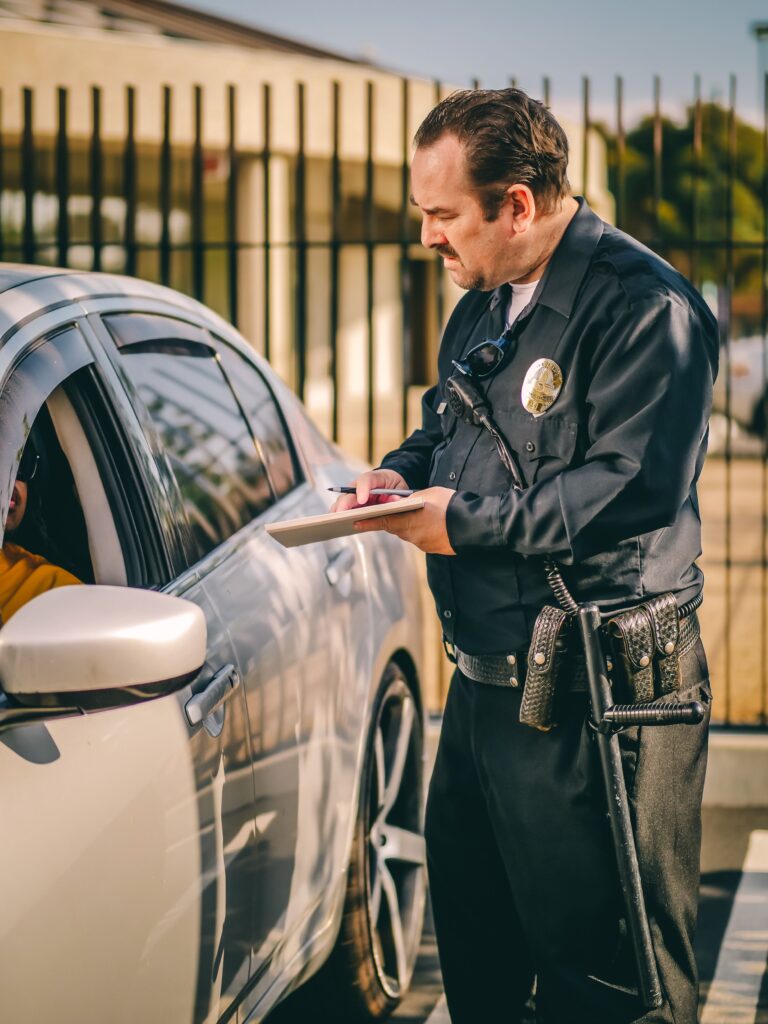
Florida Car Insurance After a Speeding Ticket: What Really Happens and How to Recover Fast
You saw the flashing lights in your mirror. You pulled over. You accepted the ticket with a sinking feeling. And now you’re wondering — how bad is this actually going to be for my car insurance?
The answer depends on decisions you make in the next 30 days more than it depends on the ticket itself. Most Florida drivers who receive speeding tickets either don’t know their options or don’t act on them quickly enough. The result is a preventable insurance rate increase that follows them for three years.
Here is exactly what happens to your Florida car insurance after a speeding ticket — and the specific steps that minimize the damage.
The Timeline That Determines Everything
Understanding when your speeding ticket actually affects your insurance is the first step toward managing the impact intelligently.
When you receive a speeding ticket in Florida you have a window of time — printed on the ticket itself, typically 30 days — to decide how to respond. The three options are paying the fine, electing traffic school, or contesting the ticket at a hearing.
Your insurance company doesn’t know about your ticket the moment you receive it. They find out when they check your driving record — which most Florida insurers do at your policy renewal. This means the ticket’s impact on your premium typically doesn’t hit until your next renewal date, which could be months away.
This timeline creates an opportunity that most Florida drivers miss entirely. If you act within your 30-day window, you may be able to prevent the ticket from ever appearing on your driving record — which means your insurance company never finds out about it at all.
The Traffic School Solution — Your Most Powerful Option
Florida’s traffic school election is the single most effective tool available to Florida drivers who receive speeding tickets, and it is underused primarily because people don’t know about it or don’t act fast enough.
Here is exactly how it works. When you receive an eligible speeding ticket — most standard speeding violations qualify, though very serious violations and criminal speeding charges do not — you can elect to complete an approved driver improvement course instead of simply paying the fine and accepting the conviction.
By completing a Florida-approved 4-hour Basic Driver Improvement course, the points from your violation are withheld from your driving record. Withheld means exactly that — the violation exists but is not visible on your public driving record. Your insurance company cannot see it. They cannot surcharge your premium for it. It is as if the ticket never happened from an insurance perspective.
The course costs $15 to $30 and can be completed entirely online in a few hours. You still pay the original fine. But the insurance consequence — which on a $2,400 annual premium could be $480 to $720 per year for three years — is eliminated entirely.
You can elect traffic school once every 12 months for eligible violations. The election must be made before the deadline on your ticket — act immediately, not eventually.
What Happens If You Just Pay the Fine
Paying a speeding ticket in Florida without electing traffic school is treated as a conviction. The violation is recorded on your driving record. Points are added to your license. And at your next insurance renewal your insurer will discover the conviction and apply a surcharge.
The surcharge amount depends on how fast you were going and your insurance company’s specific rating practices, but typical increases for a first speeding offense in Florida range from 10 to 25 percent. On a $2,400 annual premium that means $240 to $600 per year in additional costs — for three consecutive years.
The total impact of simply paying a moderate speeding ticket without electing traffic school can easily reach $720 to $1,800 over the three-year surcharge period — on top of the fine and court costs you already paid.
Contesting the Ticket — When It Makes Sense
Beyond traffic school, Florida drivers have the right to contest any traffic ticket at a hearing. While contesting isn’t always practical, certain circumstances make it worth considering seriously.
If the officer who issued your ticket does not appear at the hearing — which happens with meaningful frequency — the ticket is typically dismissed automatically. No appearance means no conviction, no points, and no insurance impact.
If you have evidence that contradicts the officer’s account — dashcam footage showing your actual speed, documentation of equipment calibration issues, or procedural errors in how the ticket was issued — presenting this evidence at a hearing can produce a dismissal or reduction.
For serious speeding violations — 30 miles per hour or more over the limit — where the insurance consequence would be substantial and where the violation approaches criminal speeding territory, consulting with a Florida traffic attorney before deciding how to respond is worth the cost of a consultation.
Shopping Your Coverage After a Ticket
If you received a speeding ticket and didn’t elect traffic school in time — or if the violation wasn’t eligible for traffic school — the ticket will appear on your record and affect your premium at renewal. In this situation, shopping your coverage becomes more important than ever.
Different Florida insurance companies treat identical driving records very differently in their pricing models. A company that applies a 25 percent surcharge for a speeding ticket may charge you $600 more per year than a company that applies only a 10 percent surcharge for the same violation. The variation is real and the difference compounds over three years.
Get quotes from at least four or five competing insurers at your next renewal — or immediately after receiving a ticket if your renewal is more than a few months away. Include both standard market insurers and companies known for competitive pricing for drivers with recent violations.
Progressive is consistently one of the more competitive options for Florida drivers with recent violations. Their pricing model tends to weight driving record factors differently than some standard insurers, sometimes producing more favorable rates for drivers with one recent moderate violation.
The Three-Year Recovery Plan
Whether you elected traffic school, contested the ticket, or simply paid the fine and accepted the surcharge, understanding the three-year timeline helps you plan your insurance strategy intelligently.
In Year 1 after a conviction your premium reflects the full surcharge. Shopping at renewal is important — your current insurer may not be the most competitive option for your current risk profile.
In Year 2 the surcharge continues but you have another renewal opportunity to shop. Some insurers reduce surcharges after one year for drivers who have maintained a completely clean record since the violation. Ask specifically about this with any insurer you’re considering.
In Year 3 you’re approaching the end of the surcharge period. Begin shopping aggressively several months before your renewal so you’re positioned to get the best available rate the moment the violation ages off your record.
After three years of clean driving the violation ages off your rating history with most Florida insurers. Your premium should return toward pre-violation levels — and if you’ve been shopping actively, potentially below your pre-violation rates with a more competitive insurer.
Frequently Asked Questions About Speeding Tickets and Florida Car Insurance
Q: How long does a speeding ticket affect my insurance in Florida?
Most Florida insurers apply a surcharge for three years from the date of the conviction. After three years of clean driving the violation ages off your rating history and your premium should return toward pre-violation levels.
Q: Can I elect traffic school for any speeding ticket in Florida?
Most standard speeding violations are eligible for traffic school election. Criminal speeding — typically 30 miles per hour or more over the limit — and certain other serious violations are not eligible. Check your ticket or contact the clerk of court to confirm eligibility for your specific violation.
Q: Will my insurance company find out about my ticket if I don’t tell them?
Yes. Insurance companies check driving records at renewal. They will discover any convictions on your record regardless of whether you disclose them. Electing traffic school to prevent the conviction from appearing is the legitimate way to protect your record — not attempting to hide a conviction that exists.
Q: I missed the traffic school election deadline. What can I do?
Once the deadline has passed the traffic school option is no longer available for that ticket. Your remaining options are contesting the ticket at a hearing if you haven’t already paid the fine, or accepting the conviction and managing the insurance impact through shopping and discounts at renewal.
Q: Should I switch insurance companies after a speeding ticket in Florida?
Shopping your coverage after a speeding ticket is strongly recommended. Different companies price violation history very differently and you may find significantly better rates with a competing insurer — especially after a violation when your current insurer may be applying their maximum surcharge.
Conclusion — Act Fast, Then Recover Smart
The 30 days after receiving a speeding ticket in Florida are the most important period for managing the financial impact. Electing traffic school within that window can eliminate the insurance consequence entirely. Missing that window means managing a three-year surcharge through smart shopping and clean driving.
Either way the path forward is clear — act quickly on your options, drive carefully from this point forward, and shop your coverage aggressively at every renewal. Three years of clean driving after any violation is the most reliable path back to the insurance rates you deserve.
Visit EverQuote.com to compare Florida car insurance quotes and find the most competitive rates available for your current driving record today.
Disclosure: This article contains affiliate links. We may earn a commission if you click and purchase through our links at no extra cost to you.