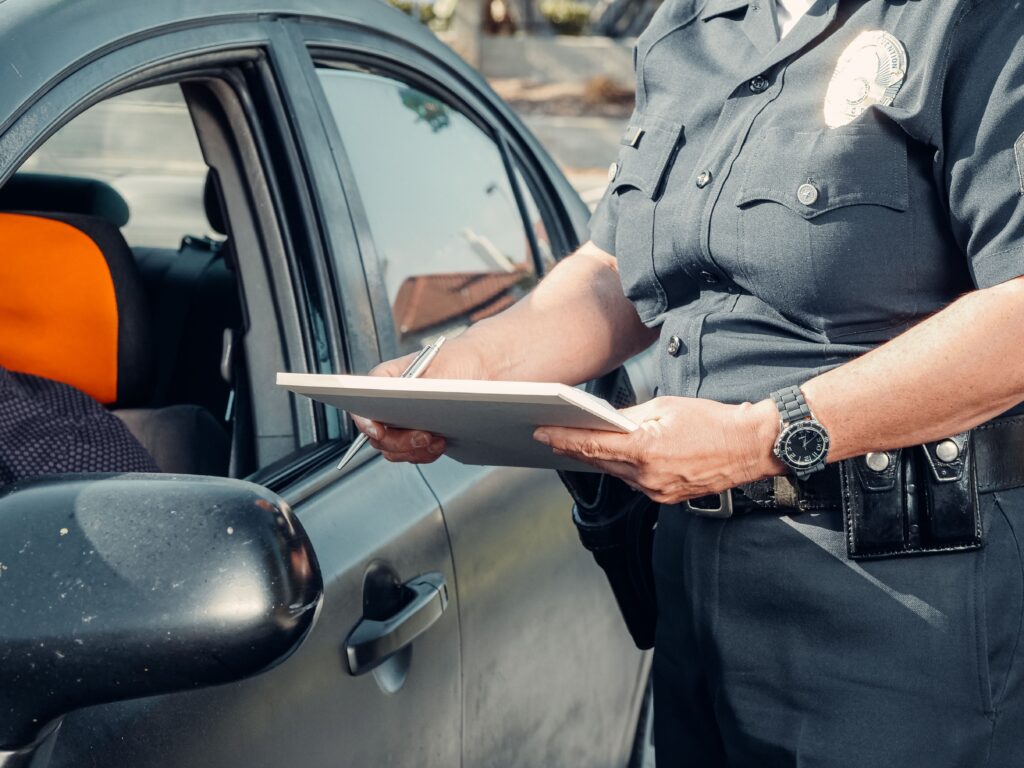
If you or someone you love is dealing with a DUI on their Florida driving record, I want to start by saying this: the situation is serious, but it’s not permanent. I’ve studied how Florida’s insurance system handles DUI cases extensively, and while the road back is real work, it is absolutely a road that exists.
Let me walk you through exactly what happens to your insurance after a DUI in Florida, what you’re required to carry, what it will cost, and — most importantly — how to bring those costs down over time.
What a DUI Does to Your Florida Car Insurance
The moment a DUI conviction hits your Florida driving record, a few things happen almost simultaneously.
First, I noticed that most insurance companies will either cancel your policy or non-renew it at the end of your term. This isn’t personal — it’s risk calculation. A DUI conviction statistically increases the likelihood of future accidents and claims, so insurers respond by either raising your rates significantly or parting ways altogether.
Second, Florida classifies you as a high-risk driver, which changes which insurers will even consider covering you and at what price.
Third — and this is the one people often don’t anticipate — you’ll be required to file an SR-22 certificate with the Florida Department of Highway Safety and Motor Vehicles (DHSMV).
What Is an SR-22 in Florida?
An SR-22 is not a type of insurance. I think this confuses a lot of people, so let me be clear: it’s a certificate that your insurance company files with the state on your behalf, proving that you carry at least Florida’s minimum required coverage.
Not all insurance companies offer SR-22 filing. You’ll need to specifically ask whether a company provides this service when you’re shopping for coverage after a DUI.
Florida requires you to maintain SR-22 filing for a minimum of 3 years following a DUI conviction. If your policy lapses or is cancelled during that time, your insurer is required by law to notify the DHSMV — and your license will be suspended again automatically.
This is why continuous coverage is so critical after a DUI. Even a gap of a few days can restart serious legal consequences.
How Much More Will You Pay for Insurance After a DUI in Florida?
I won’t sugarcoat this — the increase is significant.
After studying insurance rate data for Florida DUI cases, here’s what I typically see:
| Driver Profile | Average Before DUI | Average After DUI | Typical Increase |
|---|---|---|---|
| Single male, 25, clean record | ~$180/month | ~$380–$450/month | 110–150% |
| Married female, 35, clean record | ~$140/month | ~$290–$350/month | 100–150% |
| Senior, 60, clean record | ~$120/month | ~$260–$320/month | 115–165% |
These are rough estimates — your actual increase depends on your specific insurer, your zip code, your vehicle, and other factors. But I think it’s important you see real numbers so you know what to prepare for.
The DUI typically stays on your Florida record for 75 years — essentially a lifetime. However, insurance companies generally only look back 3 to 5 years when calculating rates. This means your rates will gradually improve over time as the incident ages on your record.
What Coverage Are You Required to Carry?
Florida’s minimum requirements don’t change after a DUI, but the SR-22 filing requirement enforces that you actually maintain them:
- PIP (Personal Injury Protection): $10,000
- PDL (Property Damage Liability): $10,000
However, I strongly believe that carrying only the minimum after a DUI is a mistake. Here’s my thinking: if you’re already in a high-risk category and you’re involved in another accident, inadequate coverage could expose you to lawsuits, license suspension, and financial disaster that follows you for years. The extra cost of better coverage is real — but so is the protection it provides.
I’d recommend at minimum adding:
- Bodily Injury Liability: $50,000/$100,000
- Uninsured Motorist Coverage: $25,000 minimum
Which Florida Insurance Companies Work With DUI Drivers?
This is one of the most practical questions, and I noticed that many people waste time getting rejected by companies that simply don’t write high-risk policies before finding one that will.
Here are companies known to work with DUI drivers in Florida:
| Company | Notes |
|---|---|
| SR22Insurance.com | Specializes in high-risk; can often get you covered same day |
| Progressive | Known for accepting higher-risk drivers; competitive among non-standard insurers |
| Dairyland | Specializes in non-standard auto insurance |
| The General | Markets specifically to high-risk drivers |
| Gainsco | Available in Florida; focuses on non-standard market |
| State Farm | Sometimes works with DUI drivers depending on circumstances |
I think Progressive deserves specific mention here. Their Snapshot program tracks your driving behavior and rewards safe habits with discounts — which I find genuinely helpful for DUI drivers who are working to demonstrate improved behavior behind the wheel.
Steps to Take Immediately After a DUI Conviction
After studying what works for DUI drivers trying to minimize insurance damage, here’s the sequence I’d recommend:
Step 1: Don’t wait for your insurer to act
Contact your current insurance company proactively. Ask whether they will continue your policy with an SR-22 filing and what your new rate will be. Sometimes your existing insurer offers better terms than starting from scratch with a new one.
Step 2: Shop aggressively
Don’t accept the first quote you receive. High-risk insurance rates vary dramatically between companies. Use a comparison platform to see multiple real quotes.
Step 3: Enroll in a DUI program voluntarily
Florida courts sometimes require DUI school as part of sentencing, but even if it’s not required, completing a state-approved DUI program can demonstrate responsibility to insurers and sometimes qualifies you for modest discounts.
Step 4: Keep your record spotless
I noticed that the drivers who recover fastest from DUI rate increases are the ones who have zero incidents in the years that follow. Every clean year on your record works in your favor when your insurer recalculates your rates.
Step 5: Ask for a rate review at 3 years
Once three years have passed since your conviction, contact your insurer and request a formal rate review. At that point, the SR-22 requirement ends and many insurers will reclassify you out of the high-risk category.
Can You Get a License Reinstatement in Florida After a DUI?
This question comes up a lot, and I think it’s worth addressing clearly.
After a first DUI conviction in Florida, your license is typically suspended for a minimum of 180 days. To get it reinstated, you’ll generally need to:
- Complete DUI school (Level I or Level II depending on circumstances)
- Pay reinstatement fees to the DHSMV
- Obtain SR-22 insurance and have it filed with the state
- Possibly complete substance abuse treatment if the court ordered it
After a second DUI, the suspension period is longer, and a hardship license may be required before full reinstatement.
How to Compare Quotes After a DUI
Shopping for insurance after a DUI feels intimidating, but I noticed that many people actually find better rates than they expected when they compare multiple companies at once instead of going one by one.
The key is using a platform that connects you with insurers who specialize in non-standard policies — not just the big mainstream companies that may turn you away.
EverQuote is one of the better comparison tools for this situation. You enter your information once — including your DUI history — and it matches you with Florida-licensed companies that will actually quote you.
Don’t pay more than you have to. Compare Florida DUI auto insurance quotes now and find out which companies will cover you — and at what real price.
[Get Florida DUI Insurance Quotes on EverQuote →]
How Long Until Rates Return to Normal?
I want to give you a realistic timeline, because I think false hope is worse than honest information.
- Years 1–3: Highest rates, SR-22 required, limited insurer options
- Years 3–5: SR-22 no longer required, some insurers begin reconsidering your risk category, modest rate decreases possible
- Years 5–7: Many insurers no longer penalize the DUI in rate calculations; significant improvement typical
- 7+ years: For most insurers, the DUI has minimal to no impact on your rates
I noticed that drivers who stay with the same insurer through this entire period sometimes see slower rate recovery than those who actively shop at the 3-year and 5-year marks. Don’t assume loyalty will be rewarded — shop at each milestone.
Final Thoughts
A DUI is a serious event, and the insurance consequences are real. But I’ve seen enough cases to know that drivers who stay focused, keep a clean record, and shop strategically can absolutely recover — both financially and in terms of their standing with insurance companies.
Give yourself the full picture, make the best decisions you can with the information you have, and don’t give up on finding fair coverage just because the first few quotes are discouraging.
Disclaimer: The information in this article is for general educational purposes only and does not constitute professional insurance advice. Coverage options, rates, and requirements may vary. Always consult a licensed Florida insurance agent for advice specific to your situation