Your car worked perfectly yesterday.
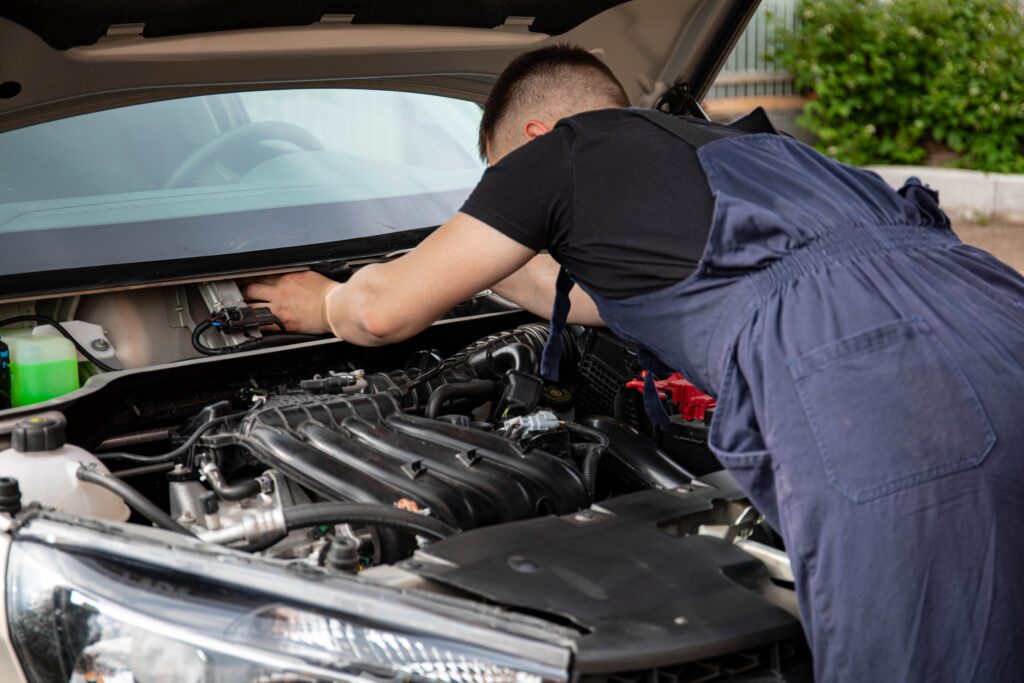
This morning, the dashboard lights up with warnings. The engine struggles to start. Your mechanic opens the hood and finds something you never expected: a nest, shredded insulation, and electrical wires that appear to have been chewed by rats or mice.
The repair estimate is $2,400.
You haven’t been in an accident. Nobody stole anything. And the vehicle was parked safely in your driveway.
So who pays?
In Florida, comprehensive car insurance may cover damage caused by rodents chewing through vehicle wiring, hoses, or other components. But the answer depends on your policy, the cause of the damage, and how the claim is documented.
The distinction matters because an insurer may treat sudden animal damage differently from ordinary mechanical failure, wear and tear, or deterioration.
Before paying the repair bill yourself, here’s what to check.
Does Comprehensive Car Insurance Cover Rodent Damage in Florida?
Generally, comprehensive auto insurance can cover accidental, non-collision damage caused by animals, including rodents.
That may include damage from:
- Rats chewing electrical wiring.
- Mice damaging wiring harnesses.
- Squirrels chewing hoses or insulation.
- Rodents damaging electrical connectors.
- Animal nesting that causes direct physical damage to covered vehicle components.
However, comprehensive coverage is not automatically a guarantee of payment.
The insurer will examine the circumstances, the damage, the policy’s exclusions, and whether the loss qualifies as a covered event.
For example, GEICO’s September 2026 consumer guidance explains that comprehensive coverage can help pay for rodent damage, while wear and tear and neglect generally are not covered.
That distinction is especially important when a vehicle has been parked for an extended period or has a history of repeated infestation.
Why Florida’s Minimum Required Insurance Usually Won’t Help
Florida drivers sometimes assume that because their vehicles are legally insured, damage to their own cars must be covered.
That is not how the state’s minimum required coverage works.
Florida’s standard registration insurance requirements generally include:
Personal Injury Protection (PIP): Coverage for certain injury-related expenses, subject to statutory conditions.
Property Damage Liability (PDL): Coverage for certain damage you cause to someone else’s property.
Neither is designed to pay for a rat chewing the wiring in your own parked car.
To seek coverage for that type of loss, you generally need comprehensive coverage or another applicable provision in your policy.
This is why checking your declarations page is more useful than simply asking whether you have “full coverage.”
Rodent Damage vs. Mechanical Breakdown: The Critical Difference
Imagine two Florida drivers with similar repair estimates.
Driver A: The vehicle’s wiring deteriorates over time because of age, heat, and normal use. The mechanic recommends replacing several electrical components.
Driver B: A mechanic discovers fresh chew marks, nesting material, and damaged wires consistent with rodent activity.
Both vehicles may have electrical problems.
But their insurance situations are different.
The first case may involve ordinary deterioration or mechanical failure, which standard comprehensive coverage generally excludes.
The second may involve direct physical damage from an animal, which comprehensive coverage can potentially address.
The important question is not merely:
“Does my car have electrical damage?”
It is:
“What caused the electrical damage, and does my policy cover that cause?”
A detailed mechanic’s report can make that distinction much clearer.
What Types of Rodent Damage Might Be Covered?
Rodents can affect several vehicle systems. The extent of coverage depends on the damage, the cause, and the policy.
1. Chewed Electrical Wiring
Modern vehicles rely on extensive electrical systems.
Rodents may damage wires connected to sensors, lighting, ignition components, and engine-management systems.
A single damaged wire can sometimes trigger several warning messages.
But a repair bill involving electrical problems is not proof of rodent damage.
Ask the repair facility to identify the physical evidence connecting the failure to animal activity.
2. Damaged Wiring Harnesses
A wiring harness groups multiple wires and connectors together.
If a rodent damages part of the harness, the repair may require more than replacing one exposed wire.
Depending on the vehicle and the repair method approved, a technician may recommend repairing a section or replacing a larger assembly.
This can make a seemingly minor animal incident unexpectedly expensive.
3. Chewed Hoses
Rodents may damage rubber or plastic hoses.
Depending on which system is affected, a damaged hose can cause leaks, warning lights, or other mechanical problems.
The insurer may need to determine whether the hose was directly damaged by the animal and whether additional damage resulted from that event.
4. Insulation and Interior Components
Rodents may damage insulation, padding, or other accessible vehicle materials.
Not every contamination or cleaning expense is necessarily covered.
Ask the insurer whether the policy covers physical repairs, cleaning, removal of nesting material, and related labor.
5. Secondary Damage
Suppose a rodent chews through a wire and the resulting electrical fault damages another component.
The insurer may investigate whether the additional damage resulted from the same covered incident.
This can become complicated when an insurer distinguishes between direct animal damage, subsequent damage, and excluded mechanical deterioration.
Do not assume every related repair is covered or excluded.
Request an explanation for each disputed item.
Rodent Damage Insurance Coverage: Quick Comparison
| Situation | Coverage outlook | What matters most |
|---|---|---|
| Rat chews engine wiring | Potentially covered by comprehensive | Physical evidence and policy terms |
| Mouse damages wiring harness | Potentially covered by comprehensive | Cause, repair scope, deductible |
| Squirrel chews a hose | Potentially covered by comprehensive | Proof of direct animal damage |
| Old wire fails from deterioration | Generally excluded | Mechanical failure and wear-and-tear provisions |
| Rodents repeatedly damage a stored car | Requires closer review | Timeline, prior damage, maintenance, exclusions |
| Liability-only policy | Generally not covered | No applicable comprehensive protection |
| Rodent damage followed by other mechanical damage | Depends on circumstances | Causation and policy wording |
Important: This table is general guidance, not a coverage determination. Your insurer must evaluate the actual policy and loss.
How Much Does Rodent Damage Cost to Repair?
There is no single reliable repair price for every rodent-damage incident.
The cost depends on the vehicle, the location of the damage, the number of affected components, and the labor required to reach them.
For example:
Example 1: A small wiring repair
A technician finds a damaged wire in an accessible location and can repair it safely without replacing a larger assembly.
The repair may be relatively limited.
Example 2: A damaged wiring harness
A rodent damages several wires and connectors in a tightly packed engine compartment.
The shop may need significant diagnostic time, specialized labor, and replacement components.
Example 3: Multiple affected systems
The vehicle has wiring damage, a chewed hose, and related component failures.
The repair estimate may become substantially larger.
The key is to obtain an itemized estimate rather than accepting a single unexplained total.
Ask the shop to separate diagnosis, parts, labor, and any additional damage discovered during repairs.
Is Filing a Comprehensive Claim Worth It?
This depends heavily on your deductible and the total eligible repair cost.
A deductible is the amount you generally pay toward a covered claim before the insurer pays the remaining eligible amount.
Consider these hypothetical examples:
| Eligible repair cost | Comprehensive deductible | Potential insurer payment |
|---|---|---|
| $450 | $500 | $0 |
| $1,200 | $500 | $700 |
| $2,400 | $500 | $1,900 |
| $3,600 | $1,000 | $2,600 |
These examples assume the full repair amount is covered, the deductible applies once, and no other limitations affect payment.
Actual settlements may differ.
If your repair costs less than the deductible, a comprehensive claim may not produce a payment.
If the damage is extensive, filing a claim may be more financially useful.
However, also consider your claims history, any potential premium implications, and whether you can document the cause.
There is no universal rule that a comprehensive claim will or will not increase your insurance premium.
Seven Steps to Take When You Discover Rodent Damage
Step 1: Avoid Driving an Unsafe Vehicle
If you see exposed wiring, leaking fluids, smoke, or major electrical warnings, do not assume the vehicle is safe to operate.
Ask a qualified technician whether it needs to be towed.
Continuing to drive a vehicle with significant damage can create additional safety risks.
Step 2: Photograph the Evidence
Before repairs begin, document the visible damage if it is safe to do so.
Useful evidence may include:
- Chew marks on wires or hoses.
- Nesting material.
- Damaged insulation.
- The affected area of the engine compartment.
- Dashboard warning messages.
- Any other visible signs of animal activity.
Avoid touching exposed wiring or attempting repairs without appropriate expertise.
Step 3: Request a Written Diagnosis
Ask the mechanic to explain what caused the damage.
A useful report should identify:
- The damaged components.
- Evidence consistent with rodent activity.
- The repairs needed.
- Any unrelated mechanical problems.
- Whether additional testing is required.
This is more useful than an invoice that merely says “electrical repair.”
Step 4: Check Your Insurance Declarations Page
Look for comprehensive coverage and its deductible.
Do not confuse comprehensive coverage with collision coverage.
Collision generally addresses certain vehicle damage involving collisions, while comprehensive typically addresses covered non-collision losses.
If you are unsure what coverage you purchased, ask your insurer or agent to explain it.
Step 5: Contact Your Insurer
Describe what was discovered without guessing about facts you cannot verify.
For example:
“My mechanic found chewed wiring and nesting material consistent with rodent activity. I have photographs and a written estimate. Does my comprehensive coverage apply?”
Ask whether the insurer needs to inspect the vehicle before repairs begin.
Step 6: Preserve Damaged Components When Practical
If a damaged wiring harness or other component is being replaced, ask whether the shop can preserve it until the insurer confirms it no longer needs to inspect the evidence.
Follow the insurer’s instructions and the repair facility’s safety procedures.
Step 7: Review the Claim Decision Carefully
If the insurer pays only part of the estimate, ask why.
If the claim is denied, request the specific policy language and factual findings supporting the decision.
Do not assume that every denial is incorrect, but do not accept a vague explanation without understanding it.
What If the Insurance Company Says It Was Wear and Tear?
This is one of the most important situations to understand.
Electrical components can fail for many reasons, including age, corrosion, manufacturing defects, heat, and animal damage.
An insurer may question whether the loss resulted from a covered animal incident or an excluded maintenance-related problem.
Your response should focus on evidence.
Ask the mechanic:
“What physical signs indicate that an animal caused this damage rather than ordinary deterioration?”
A detailed inspection report may help clarify the issue.
Also ask the insurer:
“Which specific components are being excluded, and what evidence supports that decision?”
If the insurer believes some repairs are unrelated to the rodent damage, request an itemized explanation.
A disagreement over causation is different from a disagreement over the price of an otherwise covered repair.
Understanding which issue you are facing helps you respond more effectively.
What If Rodents Keep Returning?
Repeated animal activity creates an additional concern.
Suppose your vehicle suffered rodent damage in June, was repaired, and then experienced a separate incident in September.
The insurer may need to determine whether these were two distinct losses or continuing damage associated with an unresolved condition.
Depending on the policy and the facts, separate incidents may involve separate deductibles.
The insurer may also examine whether the damage developed gradually or whether reasonable steps were taken after earlier warning signs.
That does not mean every repeat incident is automatically excluded.
It means the timeline and evidence become particularly important.
Keep repair records, photographs, and documentation of preventive measures.
Can Rodents Cause a Vehicle Fire?
Damaged electrical wiring can create electrical hazards, including the possibility of overheating or fire under certain conditions.
However, finding chewed wires does not prove that a subsequent fire was caused by rodents.
If a fire occurs, the insurer may investigate the origin and cause.
The resulting fire damage and the originally damaged component may raise different coverage questions.
If your car catches fire, prioritize personal safety, contact emergency services when appropriate, and allow qualified professionals to inspect the vehicle.
Do not attempt to start or move a fire-damaged vehicle.
Does Insurance Pay for Towing or a Rental Car?
Not automatically.
If rodent damage makes the vehicle unsafe to drive, towing may be necessary.
Whether the insurer pays for towing depends on the applicable policy provisions and the circumstances.
Similarly, rental reimbursement is generally a separate coverage or benefit with its own conditions and limits.
Even when comprehensive insurance covers vehicle repairs, a rental vehicle is not necessarily included.
Before renting a car, ask:
- Does my policy include rental reimbursement?
- Does this particular loss qualify?
- What is the daily limit?
- Is there a maximum number of days or total dollar limit?
- Does the insurer require a particular rental process?
Getting those answers before spending money can prevent an unexpected expense.
How to Reduce the Risk of Rodent Damage
No prevention method can guarantee that rodents will stay away from a vehicle.
However, practical habits may reduce exposure.
Keep the parking area clean. Avoid leaving food scraps or accessible food sources around the vehicle.
Inspect vehicles that sit unused. Cars parked for extended periods may provide sheltered spaces for nesting.
Look for warning signs. Nesting material, droppings, unusual odors, or visible chew marks can justify an inspection.
Address nearby infestations. If rodents are repeatedly present around a garage or parking area, consider professional pest-control advice.
Be cautious with deterrents. Products marketed as rodent repellents vary in effectiveness and may have safety limitations. Avoid placing flammable, corrosive, or inappropriate materials in an engine compartment.
Schedule qualified inspections when needed. If you suspect wiring damage, have a professional assess it before operating the vehicle.
The goal is to reduce the chance of damage without creating a new safety problem.
What to Ask Your Insurance Company Before Filing
If you suspect rodent damage, these questions can help you understand your options:
- Does my policy include comprehensive coverage?
- Is direct physical damage caused by rodents potentially covered?
- What deductible applies?
- Do you need to inspect the vehicle before repairs?
- What photographs or mechanic reports should I provide?
- Are diagnostic charges eligible if the loss is covered?
- How are related electrical or mechanical repairs evaluated?
- Is towing covered?
- Does rental reimbursement apply?
- How will you explain any excluded repair items?
You may not need every question, but asking the relevant ones early can make the claims process clearer.
Frequently Asked Questions
Does car insurance cover rats chewing wires in Florida?
Comprehensive insurance may cover sudden physical damage caused by rats chewing vehicle wiring. Coverage depends on the policy, the evidence, and any applicable exclusions.
Will liability-only insurance pay for rodent damage?
Generally, no. Liability coverage is not designed to repair animal damage to your own vehicle.
Does comprehensive cover mice in the engine compartment?
Comprehensive coverage may apply when mice cause covered physical damage. The mere presence of mice or nesting material does not automatically establish that every cleaning or repair expense is covered.
What if the mechanic finds a damaged wiring harness?
Request a written diagnosis identifying the cause and a detailed repair estimate. If you have comprehensive coverage, contact your insurer before authorizing extensive repairs when practical.
Is rodent damage considered an accident?
It can be treated as an accidental non-collision loss under comprehensive coverage, depending on the circumstances and policy wording.
Can insurance deny a rodent-damage claim?
Yes. An insurer may deny or limit payment if the loss is not covered under the policy or if an exclusion applies. Request a written explanation identifying the relevant facts and policy terms.
Does the deductible apply to rodent damage?
A comprehensive deductible generally applies to a covered comprehensive claim unless the policy provides otherwise.
Can I claim rodent damage if my car was parked at home?
Potentially. Comprehensive coverage generally is not limited to damage that occurs while driving. The location alone does not determine whether the claim is covered.
Does insurance cover the entire engine if a rodent damages one wire?
Not automatically. The insurer must evaluate the cause of the engine problem and whether the claimed damage falls within the policy’s coverage.
Should I repair the wiring before contacting insurance?
If there is a safety emergency, take appropriate protective action. Otherwise, document the damage and ask your insurer whether inspection is needed before substantial repairs begin.
The Bottom Line for Florida Drivers
A rat or mouse can cause expensive vehicle damage without a collision ever occurring.
But the most important insurance distinction is not the size of the repair bill.
It is whether the damage resulted from a covered animal incident or from an excluded cause such as ordinary deterioration or mechanical failure.
If you discover chewed wiring, photograph the evidence, obtain a detailed mechanic’s report, review your comprehensive coverage, and ask your insurer to explain how the policy applies.
And if you currently have only Florida’s minimum required coverage, consider whether adding comprehensive protection makes financial sense for your vehicle.
Drivers comparing coverage options can explore available insurers through services such as EverQuote, while independently reviewing deductibles, exclusions, premiums, and eligibility before making a decision.
A cheaper policy is not necessarily better protection if it leaves you responsible for an expensive loss you expected insurance to cover.
Sources and Further Reading
Florida Department of Financial Services — Personal Automobile Insurance Overview
GEICO — Does Car Insurance Cover Rodent Damage?
Florida Senate — Florida Motor Vehicle No-Fault Law, Section 627.736
https://www.flsenate.gov/Laws/Statutes/2025/627.736
These sources explain general coverage principles. Your own policy and the circumstances of the loss determine whether a specific claim is payable.
Affiliate Disclosure
Guarded Life Insurance may earn compensation from qualifying referrals or affiliate relationships when applicable. This does not increase the price you pay through a referral. References to insurance comparison services are informational and do not guarantee a quote, policy approval, or savings.
Insurance and Legal Disclaimer
This article is for general educational and informational purposes only. Guarded Life Insurance is not a licensed insurance agency, insurance agent, or law firm. Nothing here constitutes individualized insurance or legal advice. Insurance coverage, exclusions, deductibles, claim decisions, and applicable requirements vary by policy and circumstances. Review your policy documents and consult a licensed insurance professional or qualified legal adviser when appropriate.