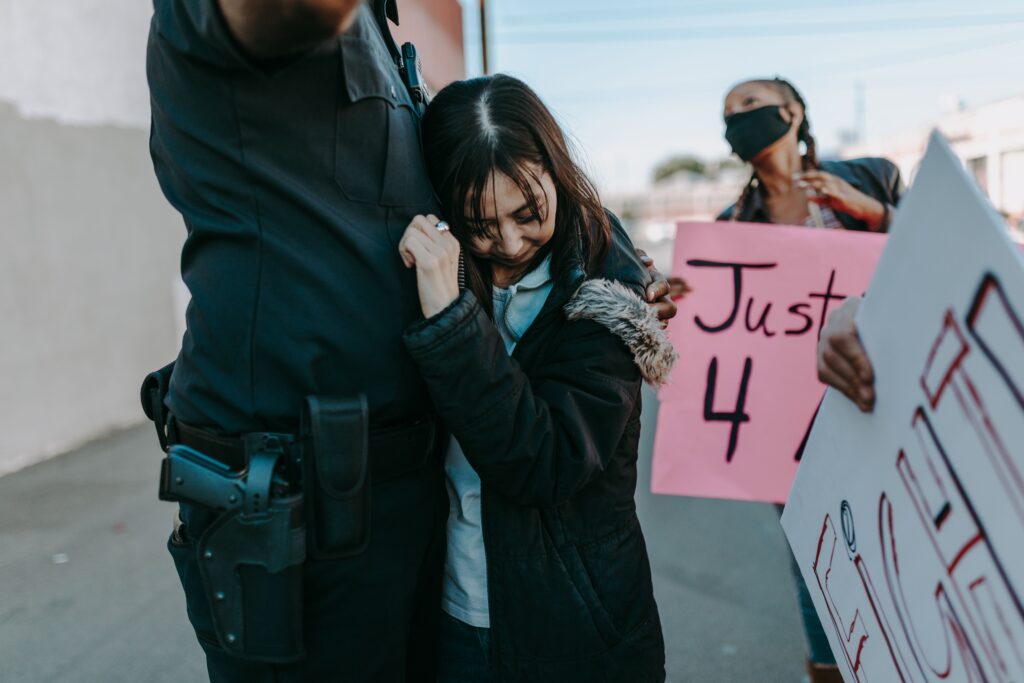
This is a topic most car insurance guides never address — and that silence leaves some of Florida’s most vulnerable drivers without information they genuinely need.
Domestic violence survivors in Florida often face a specific and underappreciated car insurance challenge. When you share an auto insurance policy with an abusive partner, that shared policy can become another tool of control and financial entrapment. When you’re trying to leave, your car insurance situation can feel like one more barrier in a situation that already has too many of them.
This guide addresses the car insurance rights and resources available to domestic violence survivors in Florida — because everyone deserves to drive safely and independently, and knowing your options is the first step toward reclaiming both.
The Shared Policy Problem
Many domestic violence survivors in Florida are listed on a joint auto insurance policy with their abusive partner. This creates several specific problems that make an already difficult situation more complicated.
The primary policyholder — typically the abusive partner — receives all policy communications, renewal notices, and claims information. This gives them visibility into your movements, your accidents, and your insurance status that can be used as a tool of surveillance and control.
Being removed from a joint policy without your knowledge or consent can leave you driving without coverage — which in Florida means driving illegally and without financial protection.
Filing a claim on a shared policy alerts the primary policyholder to an accident, which can trigger confrontation or be used as a reason for abuse.
Being financially dependent on a shared policy that you don’t control creates vulnerability — if the primary policyholder cancels or allows the policy to lapse, you have no coverage and potentially no immediate ability to get your own.
Your Rights as a Florida Driver on a Shared Policy
Florida law provides certain protections that are worth knowing as a domestic violence survivor navigating an insurance situation.
You have the right to obtain your own separate auto insurance policy at any time, regardless of whether you are currently on a joint policy. Getting your own policy does not require the knowledge or permission of the primary policyholder on a shared policy.
If your vehicle is registered in your name — even if you’ve been insured under a shared policy — you can insure it independently. The vehicle registration and the insurance policy are separate documents. A vehicle registered in your name can be insured by you independently of any other party.
Florida’s address confidentiality program — administered through the Florida Secretary of State’s office — provides survivors of domestic violence, sexual violence, stalking, and human trafficking with a substitute address for public records purposes. This can include insurance documents, helping ensure that your insurance correspondence doesn’t reveal your location to an abusive partner.
Getting Your Own Policy Safely
Establishing your own car insurance policy as a domestic violence survivor requires some specific safety considerations beyond the standard insurance shopping process.
Use a safe address for all insurance correspondence. If you are using Florida’s address confidentiality program, your substitute address can be used for insurance documents. If you are not enrolled in the program, consider using the address of a trusted friend, family member, or domestic violence advocate organization for insurance correspondence — after confirming this is acceptable with your insurer.
Use a safe email address and phone number that the abusive partner doesn’t have access to. Create a new email account if necessary for insurance communications. Use a phone number the abuser doesn’t have — a friend’s number, a new prepaid phone, or a number provided through a domestic violence support organization.
Pay with a payment method the abuser cannot access or monitor. A prepaid card, a bank account opened in your name only, or a payment method arranged through a support organization can help ensure that insurance payments don’t appear on shared financial accounts.
Shop for your own policy online or by phone from a safe location — not from a shared computer or phone where browsing history or call logs could be monitored.
Financial Assistance for Car Insurance
The cost of car insurance can be a genuine barrier for domestic violence survivors who are leaving abusive situations with limited financial resources. Several resources exist specifically to help.
Florida domestic violence shelters and advocacy organizations sometimes have emergency funds that can help cover immediate expenses including car insurance. The Florida Coalition Against Domestic Violence can connect you with local resources.
The National Car Donation program and similar organizations sometimes provide vehicles along with assistance securing insurance for survivors who need transportation to rebuild independence.
Legal aid organizations in Florida can sometimes help survivors navigate the financial and insurance aspects of leaving an abusive situation, including assistance understanding your rights regarding shared policies and vehicles.
211 Florida — accessible by dialing 2-1-1 — connects callers with local social services including emergency financial assistance that may help cover insurance costs during a transition period.
If Your Vehicle Is in the Abuser’s Name
If the vehicle you drive is registered in the abusive partner’s name, the insurance situation is more complex — but not hopeless.
You cannot insure a vehicle you don’t own under most standard insurance policies. However, some insurance companies offer what’s called a non-owner auto insurance policy that provides liability coverage for a driver who doesn’t own the vehicle they’re driving. This doesn’t cover the vehicle itself for damage, but it does provide the liability protection that Florida law requires for any driver.
In divorce or separation proceedings, a family law attorney can help ensure that vehicle ownership and insurance are addressed as part of the legal process. Many Florida legal aid organizations provide free or low-cost family law assistance to domestic violence survivors.
If you are in immediate danger and need to leave with a vehicle that is in the abuser’s name, contact a domestic violence hotline before taking action — they can help you understand the legal implications and connect you with advocates who can help you navigate the situation safely.
Safety Planning and Your Car Insurance
Car insurance intersects with safety planning in ways that advocates sometimes help survivors think through proactively.
Knowing your policy number, your insurer’s claims phone number, and your coverage details — and having this information stored somewhere the abuser cannot access — is part of practical safety planning. If something happens to your vehicle during a dangerous situation, being able to file a claim quickly matters.
If you are planning to leave and your vehicle is on a shared policy, understanding what will happen to your insurance when you do leave — and having a plan for transitioning to your own policy — reduces one source of uncertainty during an already stressful transition.
Domestic violence advocates who specialize in safety planning can help you think through the financial and practical aspects of leaving, including car insurance, as part of a comprehensive plan.
Resources for Florida Domestic Violence Survivors
National Domestic Violence Hotline: 1-800-799-7233 — available 24 hours, 7 days a week, provides crisis support and connection to local resources.
Florida Domestic Violence Hotline: 1-800-500-1119 — Florida-specific resources and referrals.
211 Florida: Dial 2-1-1 — connects you with local social services including emergency financial assistance.
Florida Address Confidentiality Program: Florida Secretary of State’s office — provides a substitute address for public records to protect your location.
Florida Legal Services: Free legal aid for qualifying survivors including help with family law matters involving vehicles and financial assets.
Frequently Asked Questions
Q: Can I get my own car insurance without my partner knowing?
Yes. You have the right to obtain your own car insurance policy at any time. Your insurer will communicate with you directly and is not required to notify anyone else about your policy.
Q: What if my partner cancels our shared insurance policy?
If a shared policy is cancelled you will typically receive a cancellation notice at the address on file. If you don’t have safe access to that address, this notice may not reach you. Getting your own policy before leaving — or as soon as it’s safe to do so — protects you from this situation.
Q: Can I use a shelter’s address for car insurance?
Some domestic violence shelters allow survivors to use their address for certain purposes. Discuss this specifically with shelter staff — they can advise on what’s possible and safe in your situation.
Q: What happens to car insurance in a divorce in Florida?
In a Florida divorce, vehicles and associated insurance are addressed as part of the overall asset and debt division. A family law attorney can help ensure your transportation and insurance needs are protected during and after the divorce process.
Q: I can’t afford car insurance right now. What can I do?
Contact 211 Florida, local domestic violence organizations, and legal aid services. Emergency financial assistance programs exist specifically to help survivors cover essential expenses including transportation during transition periods.
Conclusion — You Have Rights and You Have Options
Car insurance may feel like a small detail when you’re navigating a domestic violence situation. But transportation is independence, and independence is safety. Knowing that you have the right to your own policy, that resources exist to help with the cost, and that your insurance situation doesn’t have to remain controlled by an abusive partner — this knowledge matters.
If you are in immediate danger please contact the National Domestic Violence Hotline at 1-800-799-7233 or text START to 88788.
For information about Florida car insurance options and your rights as a Florida driver visit: guardedlifeinsurance.com
Disclosure: This article contains affiliate links. We may earn a commission if you click and purchase through our links at no extra cost to you.