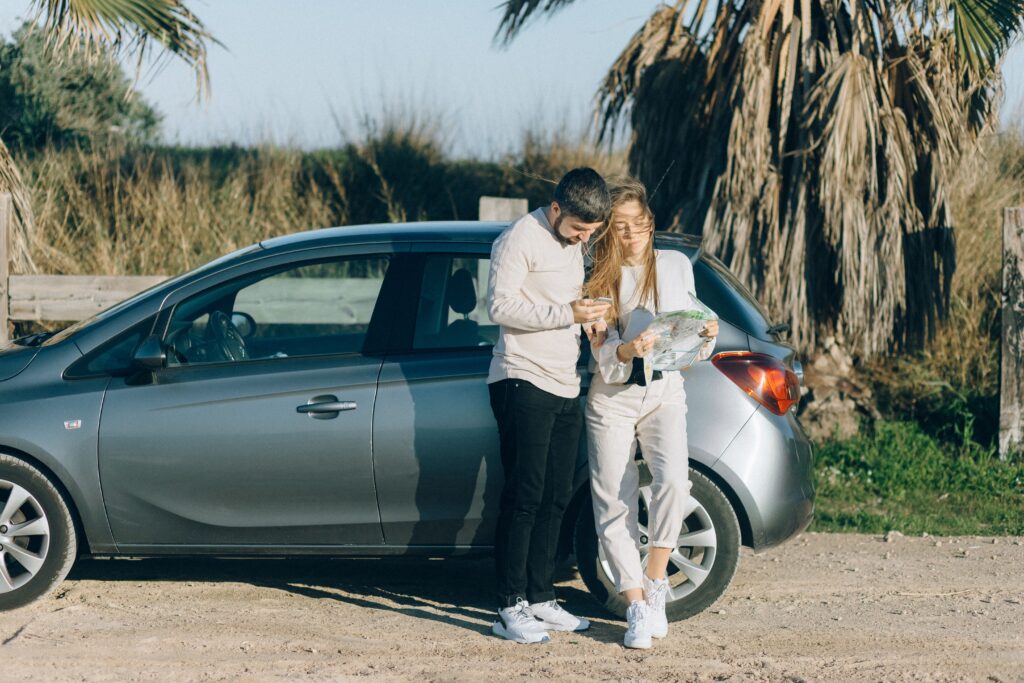
Florida Car Insurance for Tourists and Visitors: Everything You Need to Know Before You Drive
Every year, more than 130 million tourists visit Florida — making it consistently one of the most visited destinations on the planet. Many of those visitors rent cars, drive personal vehicles they’ve brought from other states, or borrow vehicles from Florida friends and family. And a surprising number of them do so without a clear understanding of how their car insurance actually applies in Florida.
If you’re visiting Florida and planning to drive — whether in a rental car, your own vehicle from another state, or a borrowed car — this guide explains exactly what coverage you have, where the gaps might be, and what you need to do to make sure you’re properly protected while driving in one of America’s most complex insurance environments.
Who Has Coverage and Who Doesn’t — The Quick Reference Guide
Before diving into the details, here is the straightforward summary that answers the most common tourist insurance questions at a glance.
Driver Type
Personal Vehicle
Rental Car
US resident from another state
✅ Existing policy covers you
✅ Usually covered by existing policy
Canadian visitor
✅ Most Canadian policies cover US
✅ Check card and policy first
Mexican visitor
❌ Mexican insurance doesn’t cover US
⚠️ Buy rental company coverage
International visitor (other countries)
❌ Most foreign policies don’t cover US
⚠️ Buy rental company coverage
This table is your starting point. Now let’s go deeper on each situation.
Driving in Florida From Another US State
If you’re a US resident visiting Florida from another state and you’ve driven your own vehicle, the good news is straightforward — your existing auto insurance policy covers you in Florida.
Personal auto insurance policies written in any US state are designed to provide coverage anywhere in the United States. Your liability coverage, collision coverage, comprehensive coverage, and any other coverages on your policy travel with you across state lines. You don’t need a special Florida endorsement or a separate Florida policy to drive legally in the state during a visit.
However, there’s an important nuance worth understanding. Florida’s minimum insurance requirements — particularly the Personal Injury Protection coverage that’s mandatory for Florida residents — may not be on your out-of-state policy. Florida’s no-fault system requires PIP, but this requirement applies to Florida residents and registered vehicles, not to out-of-state visitors driving vehicles registered elsewhere.
The practical advice for US visitors driving personal vehicles in Florida is to make sure your coverage limits are adequate before your trip. Florida’s litigation environment and the severity of potential accidents make adequate liability limits more important than in many other states.
International Visitors Driving in Florida
International visitors face a more complex situation than US residents, and the complexity varies significantly by country of origin.
Canadian visitors are generally well-positioned. Most Canadian auto insurance policies provide coverage in the United States under a standard inter-country provision. Canadian drivers should carry their insurance card that specifically notes US coverage and should verify with their insurer before traveling.
Mexican visitors face a fundamentally different situation. Mexican auto insurance generally does not provide coverage in the United States. Mexican visitors driving personal vehicles into Florida need to obtain US auto insurance coverage before driving in the state.
Visitors from other countries generally find that their home country auto insurance does not provide coverage in the United States. International visitors who plan to drive in Florida need to address this coverage gap — typically through a rental car policy, a short-term US auto insurance policy, or travel insurance that includes auto coverage.
Renting a Car in Florida as a Tourist
Rental cars are how the majority of Florida tourists actually drive, and the insurance question at the rental counter is one of the most confusing financial decisions travelers face.
Here is a clear comparison of your rental car insurance options:
Coverage Option
What It Covers
Who Should Use It
Daily Cost
Your personal auto policy
Collision and comprehensive if you have it
US residents with full coverage
$0 extra
Credit card coverage
Collision damage — secondary
US cardholders — check terms
$0 extra
Rental CDW/LDW
All vehicle damage
International visitors, minimum coverage drivers
$15-30/day
Rental SLP
Liability above your limits
Anyone with low liability limits
$10-15/day
Rental PAI
Medical for you and passengers
Anyone without health insurance in US
$5-10/day
The practical decision framework:
Before your Florida rental, call your insurance company and ask two specific questions. Does my collision and comprehensive coverage extend to rental vehicles in Florida? Does my liability coverage extend to rental vehicles in Florida? The answers tell you exactly what the rental company’s offerings add for you specifically.
Florida’s No-Fault System and Out-of-State Visitors
Florida’s no-fault insurance system creates a specific situation for out-of-state visitors that’s worth understanding clearly.
Florida requires its own residents to carry Personal Injury Protection coverage as part of the no-fault system. Out-of-state visitors are not subject to this requirement for their personal vehicles registered elsewhere.
However, if you’re involved in an accident in Florida as an out-of-state visitor, Florida’s legal framework still applies. If you are at fault in an accident that injures a Florida resident, their PIP coverage pays their initial medical costs, but if those costs exceed $10,000 or if injuries are serious enough to step outside the no-fault system, your liability coverage becomes the relevant protection.
This is why adequate liability coverage is genuinely important for Florida visitors.
Traffic Laws Florida Tourists Need to Know
Beyond insurance, Florida has specific traffic laws that visitors sometimes aren’t aware of — and violations affect both your driving record and potentially your insurance.
Florida Law
What It Means for Visitors
Hands-free driving law
No manual texting or typing while driving — including at red lights
Move over law
Move over or slow down for stopped emergency vehicles
School zone speeds
Fines doubled — learn local school schedules
Seatbelt law
All passengers must be buckled — front and back seats
Right on red
Permitted after full stop unless sign prohibits
What to Do If You Have an Accident in Florida as a Tourist
Being in an accident in an unfamiliar state adds stress to an already stressful situation. Having a clear mental protocol helps.
Call 911 immediately for any accident involving injuries. Florida law requires reporting accidents involving injury or significant property damage.
Exchange information with the other driver — name, contact information, license plate, insurance company, and policy number. Take photos of both vehicles and the accident scene.
Contact your insurance company or your rental car company depending on whose vehicle is involved. Report the accident promptly and honestly.
If you’re injured, seek medical attention. Florida’s 14-day rule for PIP coverage applies — seek medical attention within 14 days of the incident to preserve your injury claim rights.
Frequently Asked Questions About Tourist Car Insurance in Florida
Q: Do I need special insurance to drive in Florida as a tourist from another US state?
No. Your existing auto insurance policy covers you in Florida. However, verifying that your coverage limits are adequate and that you have any specific coverages you might need is worth doing before your trip.
Q: Does my car insurance cover rental cars in Florida?
If you have comprehensive and collision coverage on your personal auto policy, it typically extends to rental vehicles used for personal travel in the United States. Call your insurer to confirm before relying on this coverage and declining the rental company’s offerings.
Q: As an international tourist, do I need to buy insurance at the rental counter in Florida?
Generally yes, if your home country auto insurance doesn’t provide US coverage. Most non-North American auto insurance policies don’t extend to the United States. Purchase at minimum the rental company’s liability coverage and collision damage waiver.
Q: What happens if I’m in an accident in Florida and I’m from another country?
Florida’s traffic laws and insurance system apply regardless of your nationality. Contact your rental car company if you’re in a rental, or your own insurer if driving your vehicle. Seek medical attention if needed and report the accident to law enforcement.
Q: Is my international driver’s license valid in Florida?
Florida recognizes valid foreign driver’s licenses for visitors. An International Driving Permit provides a translated version of your license that Florida law enforcement can easily read. While not legally required, it’s practical to carry one alongside your home country license.
Conclusion — Drive Florida with Confidence
Florida is one of the world’s great driving destinations — from the Florida Keys to the Space Coast, from the Gulf beaches to the Everglades. Driving is how most visitors experience the state’s remarkable diversity of landscapes and attractions.
Understanding your insurance coverage before you get behind the wheel — whether in a rental car, your own vehicle, or a borrowed car — removes one source of uncertainty from your Florida experience. The coverage you need is generally available and manageable. The key is knowing what you have, identifying any gaps, and addressing them before rather than after something goes wrong.
Drive safely, enjoy Florida, and make sure your insurance is ready for whatever the road brings.
Visit EverQuote.com to compare Florida car insurance quotes — whether you’re a visitor looking for short-term coverage or a new Florida resident establishing your first local policy.
Disclosure: This article contains affiliate links. We may earn a commission if you click and purchase through our links at no extra cost to you.