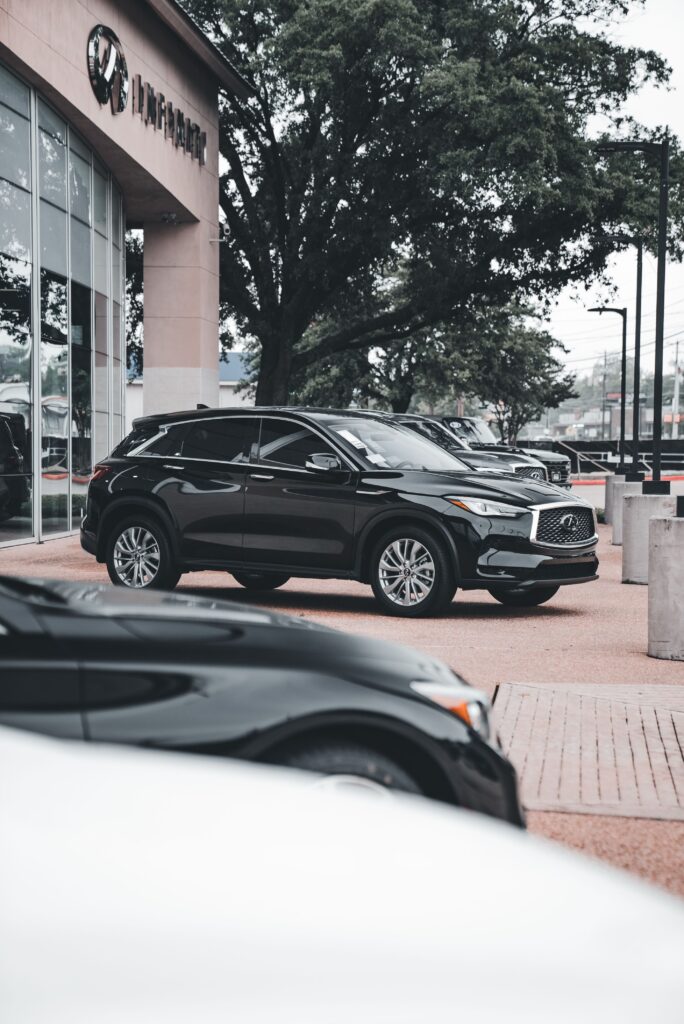
Leasing a Car in Florida? Here’s the Insurance Reality Nobody Tells You at the Dealership
The salesperson is charming. The monthly payment sounds reasonable. The new car smell is intoxicating. And somewhere in the stack of paperwork you’re signing, buried between the mileage allowance and the wear-and-tear clause, is an insurance requirement section that most Florida lessees gloss over completely.
Here’s the uncomfortable truth about leasing a vehicle in Florida — the car payment is only part of the real cost. The insurance requirements that come attached to every lease agreement can add hundreds of dollars per year to what you’re actually paying, and if you don’t meet those requirements, the consequences range from expensive force-placed insurance to lease default.
Before you sign your next lease — or right now if you’re already driving one — here is what you actually need to know about car insurance and leased vehicles in Florida.
You Don’t Own It. That Changes Everything.
This is the foundational reality that explains every other insurance requirement in your lease agreement. When you drive off the lot in a leased vehicle, you are not the owner. The leasing company is. You are, in the most literal sense, borrowing their property for an agreed period.
The leasing company has a significant financial stake in that vehicle. They need to know it will be protected adequately if something goes wrong. They have no interest in the minimum coverage requirements that Florida sets for individual drivers — those minimums were designed around a driver protecting themselves and other road users, not around protecting a financial asset that a company still owns.
This is why your lease agreement contains insurance requirements that go substantially beyond what Florida law mandates. And this is why understanding those requirements before you commit to a lease is genuinely important financial planning — not fine print you can deal with later.
What Your Lease Actually Requires — Translated From Legal Language
Lease agreements are written in language that is technically precise but practically opaque for most people. Here’s what the insurance requirements in a typical Florida vehicle lease actually mean in plain terms.
Comprehensive and Collision Coverage — Non-Negotiable
Your lease requires you to carry both comprehensive and collision coverage on the vehicle at all times during the lease term. This is not optional and it is not subject to your judgment about whether the vehicle is worth insuring at that level.
Comprehensive covers damage that isn’t a collision — weather, theft, vandalism, flooding, fire, falling objects. In Florida, where hurricane season runs six months of the year and afternoon thunderstorms can produce golf ball-sized hail, comprehensive coverage on a leased vehicle is protecting the leasing company’s asset from real, frequent risks.
Collision covers damage from accidents regardless of fault. If you rear-end someone at a traffic light in Tampa, collision pays to repair the leased vehicle. If someone rear-ends you and flees the scene, collision pays to repair the leased vehicle. The leasing company doesn’t care whose fault it was — they care that their vehicle gets repaired.
Most leases cap your deductible at $500 or $1,000. This means you cannot raise your deductible to $2,000 or $2,500 to lower your premium, even if that would make financial sense for a vehicle you owned outright. The cap protects the leasing company from situations where damage falls between your deductible and what they consider meaningful insurance protection.
Bodily Injury Liability — At Levels That Actually Protect You
Most Florida vehicle leases require Bodily Injury Liability coverage of at least $100,000 per person and $300,000 per accident. Florida law requires zero BIL — it’s entirely optional for Florida drivers unless a lease or lender requires it.
If you’ve been driving in Florida with minimum coverage and you’re now leasing a vehicle, this is the requirement that will most significantly affect your insurance premium. BIL at $100,000/$300,000 adds meaningful cost compared to carrying no BIL at all.
But here’s the perspective that matters. BIL coverage at these levels isn’t just protecting the leasing company — it’s protecting you. Florida’s roads, Florida’s traffic volumes, and Florida’s litigation environment mean that serious accidents happen, serious injuries occur, and serious lawsuits follow. Driving without adequate BIL coverage in Florida leaves your personal assets exposed to consequences that can follow you for years.
The lease requirement is actually doing you a favor by mandating coverage you should probably carry regardless.
Property Damage Liability — Beyond Florida’s Inadequate Minimum
Florida requires $10,000 in property damage liability. Your lease almost certainly requires $50,000 to $100,000. The reason for this gap is simple — a modern vehicle can cost $60,000, $80,000, or more to replace, and if you total someone’s new vehicle with your leased car, $10,000 doesn’t begin to cover it.
The Additional Insured and Loss Payee Requirements
Your lease will require you to list the leasing company as both an additional insured and the loss payee on your policy. These are technical designations that have practical implications.
Additional insured status means the leasing company receives notification if your policy is cancelled, lapses, or is materially changed. This is how they monitor compliance with the insurance requirements — your insurer is contractually obligated to notify them if your coverage changes.
Loss payee status means that in a total loss situation, insurance proceeds are paid to the leasing company as the vehicle’s owner, not to you. This makes sense because you don’t own the vehicle — any insurance payment for total loss of the vehicle belongs to the entity that does.
The Gap Between What Insurance Pays and What You Owe
Here is the scenario that Florida lessees sometimes discover only after it happens to them, and it is genuinely important to understand before you’re in it.
A leased vehicle is declared a total loss — totaled in an accident, stolen and not recovered, destroyed by a Category 4 hurricane making landfall near Fort Myers. Your comprehensive or collision insurance pays the vehicle’s actual cash value at the time of the loss. Not what you paid. Not what you owe on the lease. What the vehicle is worth right now on the market, accounting for depreciation.
Vehicles depreciate quickly, especially in the first two to three years — exactly the typical lease period. At virtually any point during a standard lease, there is a gap between what the vehicle is worth and what you still owe under the lease agreement.
That gap is your problem. Unless you have gap coverage.
Gap insurance — which stands for Guaranteed Asset Protection — covers the difference between the insurance payout and what you owe on the lease. If your vehicle is worth $26,000 when it’s totaled but you owe $32,000 under the lease, gap insurance covers the $6,000 shortfall.
Some leases include gap coverage as part of the agreement itself. Check your lease documents carefully. If it’s included, you don’t need to purchase it separately. If it’s not included, add it through your auto insurer rather than through the dealership — dealership gap coverage is typically significantly more expensive and is often rolled into your monthly payment in a way that obscures the true cost.
The Force-Placed Insurance Trap
If your insurance lapses or falls below the required coverage levels during your lease, the leasing company has the right to purchase what’s called force-placed insurance on the vehicle and bill you for it.
Force-placed insurance is not your friend. It is expensive — often two to four times the cost of comparable standard market coverage. It protects the leasing company’s interests in the vehicle but provides you with minimal personal protection. And you are billed for it on top of your lease payment.
The way to avoid force-placed insurance is simple — maintain continuous, compliant coverage throughout your lease term. Set up automatic payments for your insurance premium. Keep your insurer informed of your current address so renewal notices reach you. And notify your insurer immediately if you need to make any changes to your coverage so you can ensure you remain compliant with your lease requirements.
Shopping for Lease Insurance in Florida — Where Most People Leave Money Behind
Florida drivers who lease vehicles often make one significant mistake when shopping for insurance — they accept the first quote they receive or simply add the leased vehicle to their existing policy without checking whether better options are available.
The insurance market for leased vehicles is competitive, and the variation in pricing between companies for identical coverage on the same leased vehicle can be several hundred dollars per year. Given that you’re already committed to the lease payment, minimizing the insurance cost within the requirements is a worthwhile exercise.
Get quotes from at least four or five insurers before settling on coverage for a leased vehicle. Provide each insurer with the specific coverage requirements from your lease agreement so you can compare apples to apples. Ask about bundling discounts if you have other policies, safe driver discounts if your record is clean, and any other applicable discounts that might reduce your premium.
The leasing company doesn’t care which insurer you use — they care that the coverage meets their requirements. Shop freely and save where you can.
What Happens to Your Insurance When the Lease Ends
The end of your lease is a natural checkpoint for reviewing your insurance needs.
If you return the vehicle and lease or purchase a different vehicle, your insurance transitions to the new vehicle with whatever requirements apply. If you’re purchasing the new vehicle outright, you have more flexibility in your coverage choices than during the lease.
If you purchase the leased vehicle at the end of the lease term, you move from lease requirements to your own judgment about appropriate coverage. If the vehicle has depreciated significantly by the end of a three-year lease, you may decide that dropping comprehensive and collision coverage makes financial sense. The lease requirement disappears the moment you own the vehicle.
If you simply return the vehicle and don’t immediately replace it, make sure you handle your insurance appropriately. Canceling your policy without a replacement in place creates a coverage gap that can raise your rates when you next apply for insurance, because coverage continuity is a factor insurers consider when pricing new policies.
Frequently Asked Questions About Leased Vehicle Insurance in Florida
Q: Can I lease a car in Florida with only the state minimum insurance?
No. Florida’s minimum required coverage — $10,000 PIP and $10,000 property damage liability — does not meet the insurance requirements in virtually any vehicle lease agreement. You will need comprehensive and collision coverage, higher liability limits, and possibly gap coverage.
Q: My lease says I need $100,000/$300,000 bodily injury liability but I’ve never carried BIL before. How much will this cost?
The cost depends on your driving record, your vehicle, your location in Florida, and the insurer you choose. Adding $100,000/$300,000 BIL to a full coverage policy can add $200 to $600 per year compared to a policy without BIL. Getting competitive quotes is the most reliable way to find the best price for your specific situation.
Q: Does gap insurance cover my lease payments if I’m in an accident?
No. Gap insurance covers the difference between the insurance payout for a total loss and what you owe on the lease. It does not make lease payments on your behalf, cover your deductible, or apply to repairable damage. It is specifically a total loss protection product.
Q: What if I can’t afford the insurance required by my lease?
If the insurance required by your lease is genuinely unaffordable, that’s important information to have before you sign the lease — not after. Factor the full insurance cost into your lease affordability calculation during the shopping process, not as an afterthought after you’ve committed.
Q: Can I change insurance companies during my lease?
Yes, absolutely. You can change insurers at any time during your lease as long as you maintain continuous coverage and ensure your new policy meets all lease requirements before your old policy cancels. Notify your leasing company of the change in insurer and make sure the new policy lists them correctly as additional insured and loss payee.
Conclusion — Read the Insurance Section Before You Sign
The leasing process moves quickly. Dealerships are skilled at creating momentum that carries you from test drive to signed paperwork before you’ve had a chance to read everything carefully. The insurance requirements section of your lease is not where most people focus their attention in that moment.
But those requirements have real financial implications that last for the entire lease term. Understanding them before you sign allows you to budget accurately, shop for coverage intelligently, and avoid the expensive surprises that catch unprepared lessees off guard.
Your lease insurance requirements are not designed to burden you — they exist because the company that owns your vehicle has legitimate interests in protecting it. Meeting those requirements comprehensively is simply part of the real cost of leasing.
Visit EverQuote.com to compare Florida car insurance quotes for leased vehicles and find coverage that meets your lease requirements at the most competitive price available today.
Disclosure: This article contains affiliate links. We may earn a commission if you click and purchase through our links at no extra cost to you.